
 Subscribe: Gist E-Paper
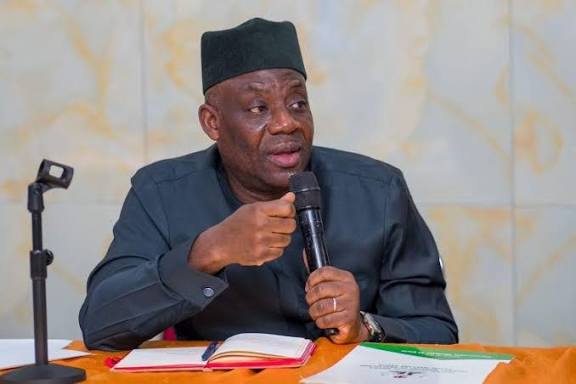
The Federal Government has unveiled plans to abolish the long-standing Higher National Diploma (HND) dichotomy by granting polytechnics the authority to award degrees, in a sweeping reform aimed at strengthening technical and vocational education as a catalyst for national development.
The Minister of Education, Dr. Tunji Alausa, announced the policy shift in Abuja on Wednesday while addressing a high-level retreat of council chairmen, commissioners of education, rectors, registrars and bursars of polytechnics across the country.
Describing the initiative as a landmark reform, Alausa said the move would finally eliminate decades of discrimination against polytechnic graduates and reposition polytechnics as centres of excellence within Nigeria’s higher education ecosystem.
According to the minister, the reform is designed to place polytechnic education on a firmer pedestal while retaining its core advantage of practical, industry-oriented training.
He noted that Nigeria’s future competitiveness depends largely on a skilled workforce capable of creating, building and solving real-world problems, adding that polytechnics are central to achieving this goal.
Alausa explained that the policy aligns with President Bola Tinubu’s Renewed Hope Agenda, which prioritises job creation, industrial expansion and human capital development.
With the introduction of degree-awarding status, polytechnics are expected to attract stronger industry collaboration, improved funding opportunities and increased public confidence in their graduates.
The minister assured stakeholders that the transition would be carefully managed through clear standards, robust regulation and strict quality assurance mechanisms to ensure that Nigerian polytechnic degrees meet global benchmarks.
Speaking on the theme, “Transforming Polytechnic Education in Nigeria: Innovation, Good Governance and Sustainability for National Development,” Alausa described polytechnics as critical pillars in building a skills-driven economy.
He disclosed that the Ministry of Education has placed renewed emphasis on Technical and Vocational Education and Training (TVET) to ensure graduates are industry-ready, innovative and capable of driving sustainable economic growth.
On governance, the minister cautioned that transparency, accountability and ethical leadership must underpin the new era in polytechnic administration.
He called for fiscal discipline, timely audits, prudent management of resources and zero tolerance for corruption in all institutions.
Alausa also underscored the importance of sustainability, urging polytechnics to boost internally generated revenue through production and service delivery, adopt eco-friendly campuses and invest in resilient infrastructure.
According to him, institutions should strive to produce what they consume and support national development by reducing dependence on imported goods and services.
While acknowledging persistent challenges such as funding constraints, obsolete facilities and societal preference for university degrees, the minister said the prospects ahead outweigh the difficulties.
He reaffirmed the Federal Government’s commitment to supporting polytechnics through sustained policy reforms, infrastructure development and strategic partnerships to ensure the success of the new framework.