 Subscribe: Gist E-Paper
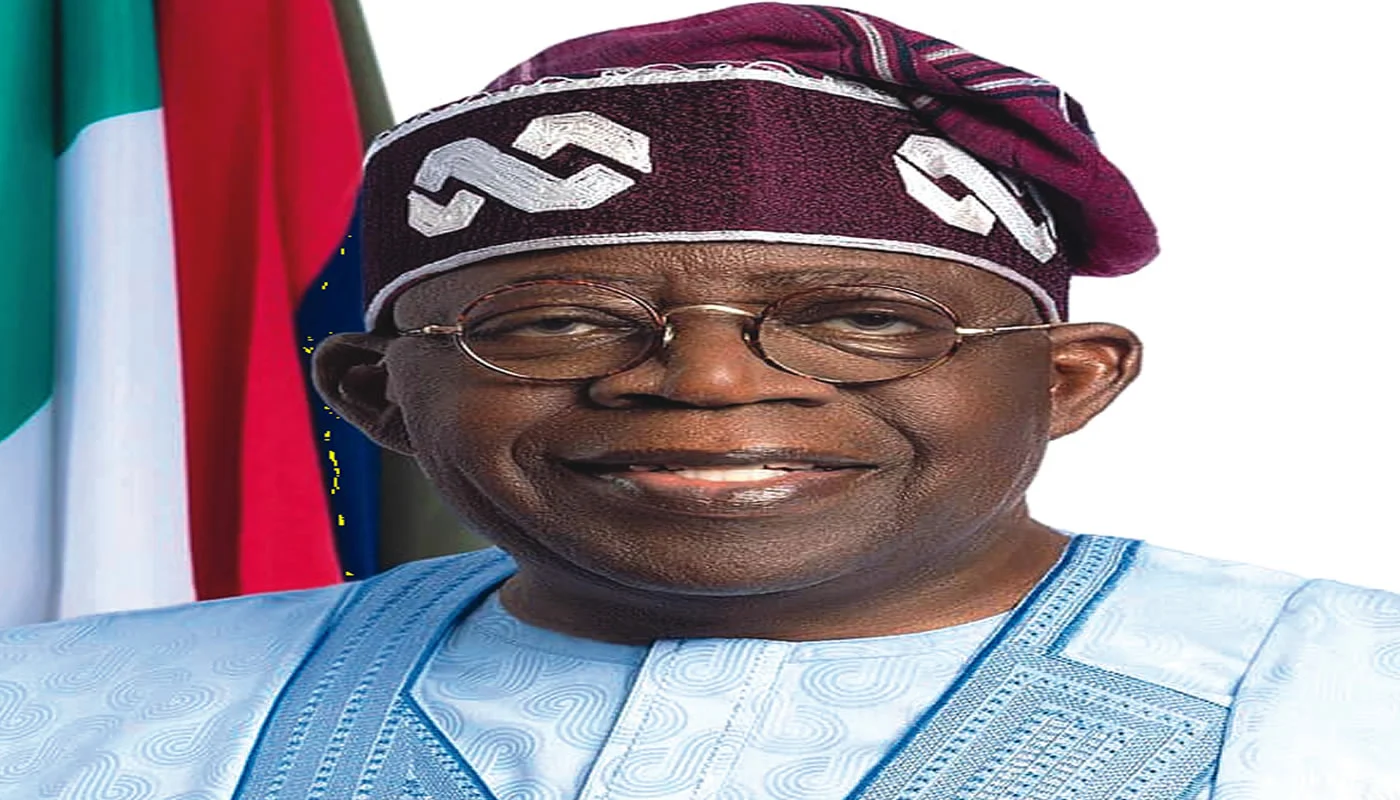
Two years into the administration of President Bola Ahmed Tinubu, Nigeria is undergoing a phase of reform more far-reaching than anything seen in the past decade. Whether Nigerians welcome the pace or feel crushed by the transition, one thing is obvious: this government has gone straight for structural issues that many of its predecessors dodged.
Fuel subsidy gone. FX windows unified. Revenue reforms pushed. Security funding ramped up. The result is a mix of bold decisions, painful adjustments, renewed international interest—and an increasingly impatient population struggling under inflation and hardship.
Tinubu came into office with just 36.3 per cent of the vote—the lowest winning share of any president in the Fourth Republic. Rather than play safe and chase popularity, he chose a reformer’s path. That courage is real. But so are the implementation gaps, the communication failures and the perception that ordinary people have been left to carry too much of the burden.
This piece captures both sides of the ledger in one place: 12 key achievements reshaping Nigeria, and 12 critical areas where the government could have done far better.