 Subscribe: Gist E-Paper
Fifteen political parties have successfully concluded their presidential primaries within the deadline set by the Independent National Electoral Commission (INEC), paving the way for a crowded contest ahead of the 2027 presidential election.
INEC had directed all registered political parties to conduct their presidential primaries between April 23 and May 30, 2026, and submit the names of their candidates for the January 16, 2027 presidential poll. While several political actors challenged the electoral body's authority to regulate the timing of party primaries, most parties complied with the timetable and produced candidates within the stipulated period.
With the primary season concluded, political attention is expected to shift toward nationwide campaigns scheduled to commence on August 19, 2026.
Among the leading contenders is President Bola Tinubu, who secured the presidential ticket of the All Progressives Congress (APC) after defeating Stanley Osifo in the party's direct primary held on May 23. Tinubu is seeking re-election on the strength of his administration's economic reforms, infrastructure projects, security initiatives and employment programmes.
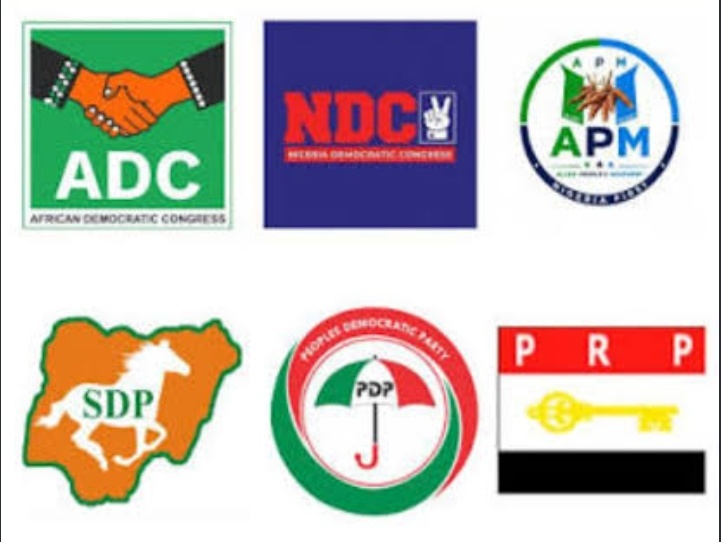
Former Vice President Atiku Abubakar clinched the presidential ticket of the African Democratic Congress (ADC) after defeating former Rivers State Governor Rotimi Amaechi and banker Mohammed Hayatu-Deen during the party's primary election on May 25. Atiku pledged to focus on economic recovery, private-sector growth, restructuring, job creation and national cohesion.
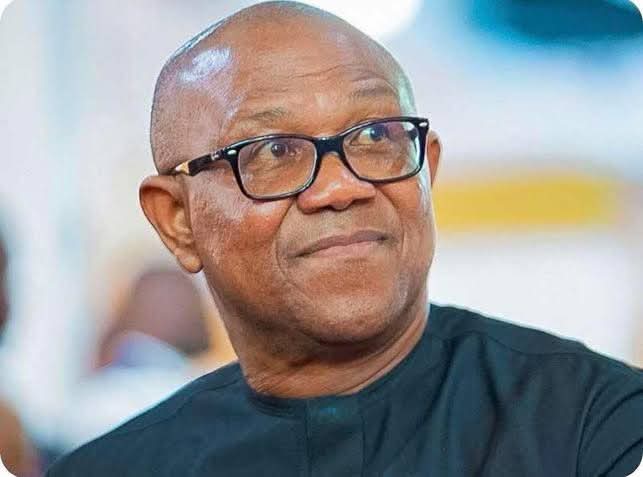
The Nigeria Democratic Congress (NDC) ratified former Anambra State Governor Peter Obi as its presidential candidate on May 29. Obi promised to boost electricity generation and distribution, combat corruption, tackle insecurity and create employment opportunities.
The Labour Party concluded its primary on May 30, producing businessman Chibuzo Okereke as its presidential flag bearer. Okereke pledged to pursue transparency, youth inclusion, economic development and reforms in critical sectors such as education and healthcare.
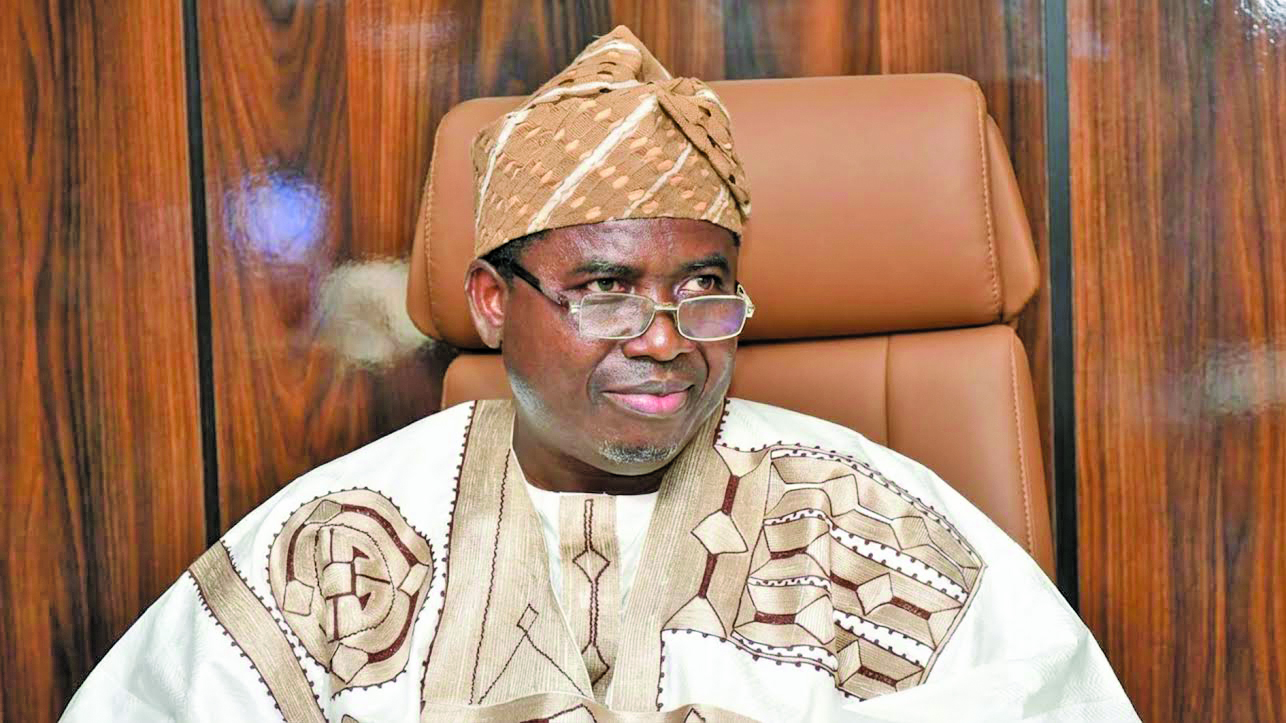
Also joining the presidential race is Oyo State Governor Seyi Makinde, who emerged as the candidate of the Allied Peoples Movement (APM) during the party's primary in Ibadan. Makinde promised to expand economic opportunities, strengthen educational institutions, modernise infrastructure and improve security through institutional reforms.
The African Action Congress (AAC) returned activist and publisher Omoyele Sowore as its standard-bearer following its primary election in Abuja on May 26. Sowore campaigned on anti-corruption reforms, youth empowerment, educational advancement and social welfare programmes.
The Social Democratic Party (SDP) nominated Adewole Adebayo as its presidential candidate after its primary in Bauchi on May 9. His campaign priorities include economic diversification, industrialisation, agricultural expansion and constitutional reforms.
Former Cross River State Governor Donald Duke secured the presidential ticket of the People's Redemption Party (PRP), promising to focus on economic growth, tourism development, infrastructure and investment promotion.
The Peoples Democratic Party (PDP), however, remains mired in internal divisions. A faction loyal to the Minister of the Federal Capital Territory, Nyesom Wike, announced Senator Sandy Onor as its presidential candidate, while another faction aligned with Kabiru Turaki presented former President Goodluck Jonathan as its flag bearer. Both candidates reportedly emerged through separate processes held in Abuja.
The National Rescue Movement (NRM) elected actress and film producer Esther Okereke as its presidential candidate, making her the party's first female presidential flag bearer. She pledged to prioritise security and economic development.
The Action Democratic Party (ADP) nominated Aliyu Abbas, while the Action Alliance (AA) selected its National Chairman, Adekunle Rufai Omoaje, as its presidential candidate.
Businessman and activist Gbenga Hashim emerged as the presidential candidate of the Accord Party, while Sunday Adenuga secured the ticket of the Because of Our Tomorrow (BOOT) Party unopposed.
The Young Progressives Party (YPP) adopted its National Women Leader, Anita Zugwai-Chukwu, as its presidential candidate. She pledged to promote national unity, economic growth and improved welfare for Nigerians.
The emergence of these candidates brings to 15 the number of political parties that met INEC's deadline for presidential primaries.
Meanwhile, uncertainty surrounds the participation of the National Democratic Party (NDP), which announced Ada Fredrick as its presidential candidate on June 1, two days after the expiration of the deadline.
The development has sparked questions about the party's eligibility for the 2027 presidential election, particularly as a legal challenge to INEC's authority to set timelines for party primaries remains pending before the Court of Appeal.
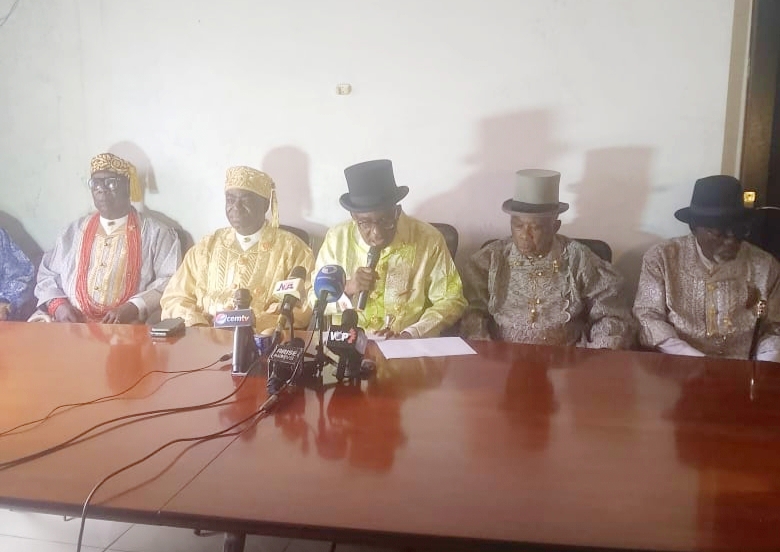
Speaking with journalists in Abuja, the party's National Publicity Secretary, Dr. Emeka Wachuku, said Fredrick emerged through a consensus affirmation process conducted across the 36 states and the Federal Capital Territory.
Political analysts believe the NDP's participation in the election may depend on the outcome of the pending court case and INEC's interpretation of the legal implications of the late primary.