 Subscribe: Gist E-Paper
The Inter-Party Advisory Council (IPAC) has warned that the inclusion of opposition figures in the All Progressives Congress (APC) Presidential Campaign Council undermines opposition unity and weakens democratic accountability in Nigeria.
IPAC National Publicity Secretary, Martins Egbeola, raised the concern in an interview with journalists in Abuja on Wednesday.
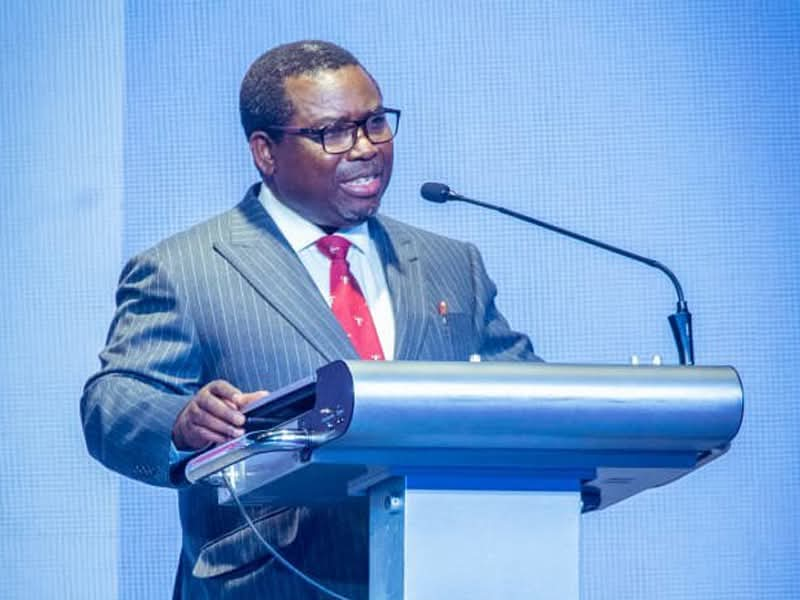
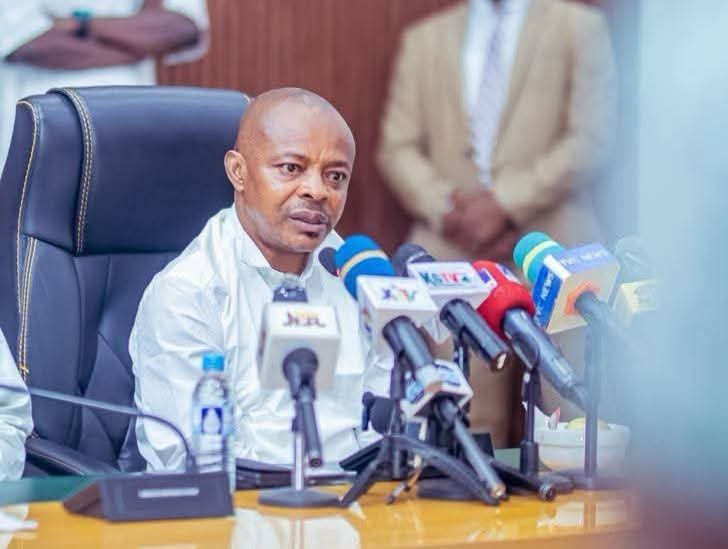
He spoke following the inclusion of Anambra State Governor Chukwuma Soludo of the All Progressives Grand Alliance (APGA), Osun State Governor Ademola Adeleke of Accord and Minister of the Federal Capital Territory, Nyesom Wike of the Peoples Democratic Party (PDP), in the APC campaign council.
Egbeola acknowledged that the individuals had the right to accept political appointments but said their participation in the ruling party’s campaign raised questions about party discipline, ideological consistency and the credibility of opposition politics.
He argued that the involvement of prominent opposition figures in the APC’s campaign activities blurred political distinctions and weakened public confidence in opposition parties’ ability to provide credible alternatives.
“The danger to our democracy is equally significant,” he said, warning that the ruling party was consolidating its influence while opposition parties struggled to maintain effective political platforms.
According to him, a functional democracy requires a strong and vibrant opposition capable of scrutinising government policies, demanding accountability and presenting alternative approaches to governance.
He warned that without such opposition, political parties could exist largely in name while lacking the capacity to challenge the ruling party or offer Nigerians meaningful choices.
The IPAC spokesman also lamented that nearly three decades after the return to democratic rule in 1999, Nigerian political parties had yet to establish sufficiently distinct ideological identities.
He maintained that political competition should be based on differences in policy, principles, vision and approaches to governance rather than the personal interests and calculations of political leaders.
Egbeola said the fluidity of political loyalties and the diminishing significance of party affiliations posed challenges to Nigeria’s multiparty democracy.
He warned that continued overlap between opposition figures and the ruling party’s campaign structures could leave the country with a multiparty system in appearance but without a genuinely effective opposition.