 Subscribe: Gist E-Paper
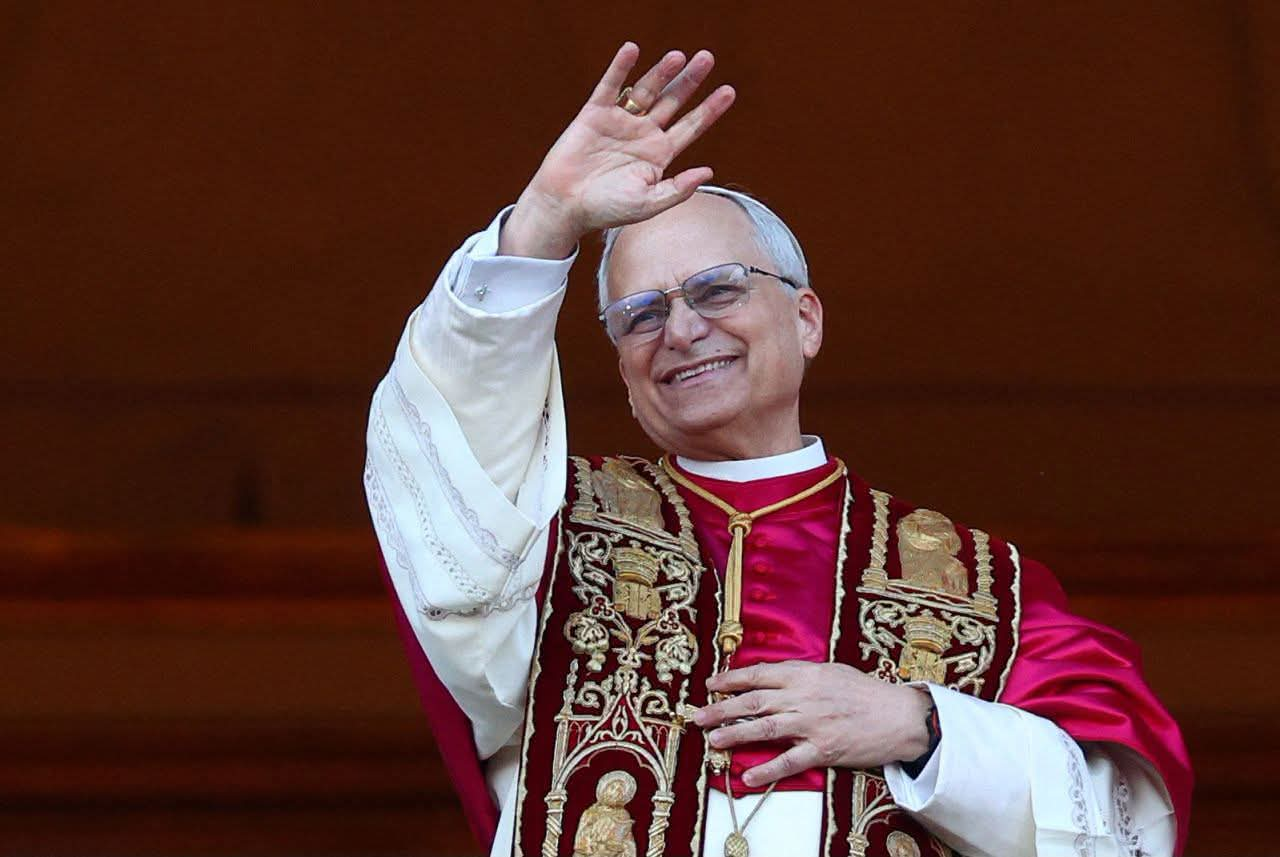
Pope Leo XIV has been diagnosed with lung adenocarcinoma after undergoing surgery to remove the lower lobe of his right lung, the Vatican has announced.
The Vatican disclosed the diagnosis in a medical bulletin on Tuesday, stating that the cancer had been suspected during preoperative examinations and confirmed during surgery.
The operation, which lasted approximately 90 minutes, was described as successful, with no complications reported. The 71-year-old pontiff subsequently returned to his hospital room.
According to the Vatican, the procedure involved the removal of the affected lung lobe in what was described as a radical removal, aimed at eliminating the suspected cancerous tissue.
However, further test results, including those relating to the lymph nodes, are needed to establish whether the cancer has spread and determine the next steps in treatment.
The Vatican did not announce any immediate plans for chemotherapy or other therapies, saying doctors were awaiting additional results before deciding on further treatment.
Dr Stephen Liu, a lung cancer specialist at Georgetown University’s Lombardi Comprehensive Cancer Center, said the outlook would depend largely on the stage of the disease and whether it had spread beyond the affected area.
He explained that adenocarcinoma is the most common type of lung cancer and can have a favourable prognosis, particularly when detected and treated at an early stage.
Medical experts said additional treatment could be required if tests reveal that the cancer has spread. Possible options include chemotherapy, immunotherapy or targeted therapies, depending on the findings.
The pope had disclosed the discovery of a localised lung nodule during his Sunday noon prayer, announcing plans to have it removed.
He arrived at Rome’s Gemelli Hospital on Tuesday, walking through the main entrance and waving to well-wishers who had gathered to greet him.
The operation was conducted by a medical team led by the hospital’s chief thoracic surgeon, Dr Stefano Margaritora.
The Vatican has cancelled all papal audiences through October 20 to allow the pontiff to recover.
Although the hospital has a dedicated papal apartment, the Vatican said Leo would stay in a nearby room because the apartment was undergoing renovations.
The diagnosis has also raised questions about whether the pope will be able to undertake his planned November 6–17 visit to Uruguay, Argentina and Peru.
The proposed trip would be the longest overseas journey of his papacy so far, involving several flights, helicopter transfers and significant changes in altitude.
Doctors often advise patients to avoid flying for several weeks after lung surgery, making the pope’s recovery timeline a key factor in determining whether the visit will proceed as scheduled.
Cardinal Kikuchi Tsutomu of Tokyo, who met Leo on Monday, said the pope had opted for surgery promptly to minimise disruption to his future overseas engagements.
A lung nodule is a small abnormal area that can appear on imaging scans and may be either benign or malignant. Surgical removal can help establish a definitive diagnosis and treat cancer while it remains localised.
The hospitalisation is believed to be only the second for Leo, who is known for maintaining an active lifestyle that includes swimming and playing tennis.
As a young missionary priest, he was hospitalised with typhoid fever in 1985 shortly after arriving in Chulucanas, Peru. He later described the illness as a defining experience that strengthened his commitment to serving communities in the country.
For now, the Vatican has not provided a definitive timeline for the pope’s recovery or announced whether further cancer treatment will be necessary.