 Subscribe: Gist E-Paper

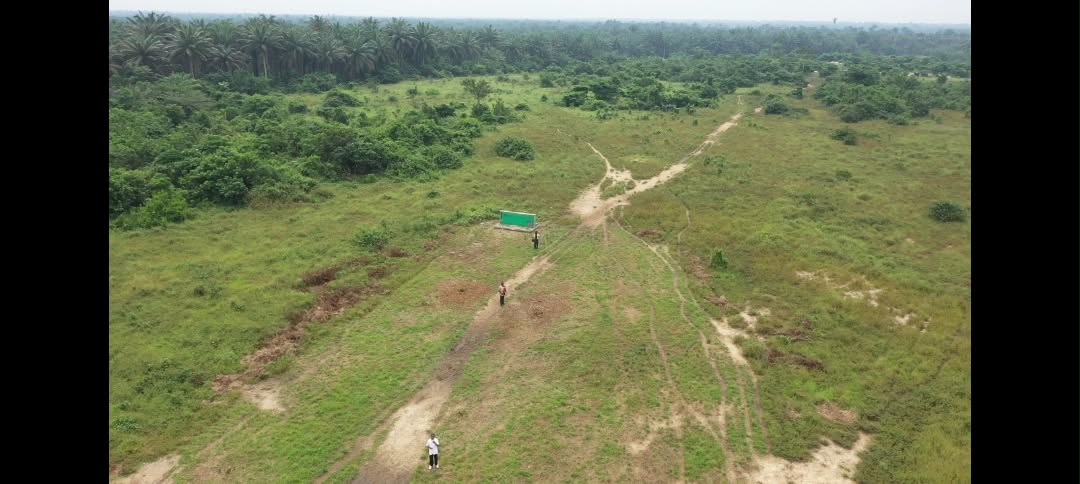
There are deaths that leave behind grief, and there are deaths that leave behind questions. The death of Miss Joy Amos belongs painfully to the second category. She did not merely die in an explosion; her death has opened a troubling window into a community that, according to environmental justice advocates, had been living for more than a year with the frightening presence of gas seepages and hazardous emissions. Her story therefore demands more than sympathy. It demands answers.
On September 3, 2026, an explosion in Bille Kingdom, Degema Local Government Area of Rivers State, left Joy Amos with devastating burns. She fought for her life until she eventually died from her injuries. Somewhere between the flames that consumed her and the silence that followed, a young Nigerian life was lost. And with that life went dreams, relationships, possibilities and a future that can never be recovered.
But perhaps the most painful question is this: Was Joy\'s death preventable?
The Niger Delta Environmental Justice Lawyers\' Network says it was. The organisation has alleged that the explosion was preceded by more than a year of warnings about volatile gas seepages and hazardous emissions in Bille. Community members, scientists and civil society groups were said to have repeatedly raised concerns about methane and other dangerous gases allegedly emerging from the soil, waterways and residential areas.
If those warnings were indeed made and properly documented, then the tragedy of Bille becomes bigger than the story of one explosion. It becomes a story about what happens when warnings are heard but decisive action does not follow. It becomes a story about the dangerous distance between a government\'s promise to act and the moment action actually reaches the people whose lives are at risk.
The lawyers say a Federal Government delegation visited Bille in July and promised immediate intervention and emergency infrastructure. Yet, according to the group, the September explosion occurred before meaningful measures could protect the affected residents. That sequence should trouble every institution with responsibility for public safety. In an emergency, promises are not protection.
Bille is not an abstraction on a government file. It is a living community. Behind every house are families. Behind every doorway are mothers, fathers, children and elderly people who deserve to sleep without wondering whether the ground beneath them is concealing something capable of taking their lives. A community should not have to become a disaster site before its warnings acquire urgency.
The fact-finding mission reportedly undertaken by members of the lawyers\' network on September 17 allegedly revealed polluted waterways, ecological degradation, fire explosions and hazardous gas emissions. These claims must be subjected to rigorous scientific verification. But they cannot simply be dismissed. They deserve investigation because environmental danger does not become less dangerous because it is politically inconvenient.
This is where the matter moves from environmental concern to human rights. Every citizen has a right to life. Every community has a right to safety. People living in areas of oil and gas production should not be treated as collateral occupants of the nation\'s natural-resource economy. The wealth beneath their feet cannot become a justification for exposing them to danger above it.
The demand for an independent forensic investigation into Joy Amos\' death is therefore important. So is the call for a proper medical autopsy and a determination of responsibility. These are not exercises in vengeance. They are instruments of truth. A credible investigation should establish what caused the explosion, whether the reported gas seepages were connected to it, what warnings were issued, which institutions received them, what actions were taken and whether anything more could reasonably have been done to prevent the tragedy.
Beyond investigation lies the more urgent question of survival. The affected areas of Bille require specialised technical teams capable of identifying, isolating and, where technically feasible, permanently sealing the source of dangerous emissions. Where experts determine that particular locations are unsafe, temporary evacuation should not be treated as an inconvenience. It should be treated as an emergency safety measure.
Clean water, emergency healthcare and relief materials must also reach residents facing the consequences of the crisis. People cannot be expected to continue living beside hazardous emissions while waiting indefinitely for committees, assessments and administrative correspondence. When human lives are potentially at risk, bureaucratic time cannot be allowed to become another form of danger.
But emergency response alone will not be enough. Bille needs a comprehensive environmental and public-health assessment. If residents have been exposed to hazardous gases or pollutants over an extended period, the consequences may not always announce themselves through flames. Some may emerge quietly through illness, contaminated water, damaged livelihoods and long-term health complications. The invisible dimensions of environmental pollution can sometimes be as devastating as the disasters that make the headlines.
And what of Joy\'s family? No compensation can restore the daughter, sister, relative or friend they lost. Money cannot reverse a death. Yet compensation, where liability is established, remains an important part of justice. The family should not be left alone to carry the financial and emotional burden of a tragedy that may have been connected to a wider environmental crisis.
The tragedy should also compel a wider examination of the Niger Delta. Bille must not be viewed as an isolated story. Across the region, communities have for decades raised concerns about pollution, gas flaring, oil spills, damaged ecosystems and the consequences of living alongside extractive activities. The details differ from community to community, but the recurring question remains the same: Who protects the people who live closest to the nation\'s natural resources?
The Federal Government, Rivers State Government, NNPCL, NUPRC and every other institution with regulatory or operational responsibility must therefore look beyond statements and visit reports. What Bille needs now is visible, measurable and sustained intervention. The community needs to know where the danger is, what is causing it, what is being done about it and when residents can expect to live safely again.
Joy Amos should not become a statistic. Her name should remain attached to a demand for truth, accountability and action. If the warnings preceding her death are substantiated, then her story should become a lesson written not in another government report, but in concrete changes that prevent another family from receiving the same devastating news.
Under the lens, Bille presents Nigeria with a moral test. When a community says it smells danger, do we investigate? When scientists raise alarms, do we listen? When residents report hazardous emissions, do we act before the fire? And when tragedy finally comes, do we merely mourn—or do we confront the failures that allowed it to happen? The time for administrative promises has passed. Bille needs action. And it needs it now.