 Subscribe: Gist E-Paper
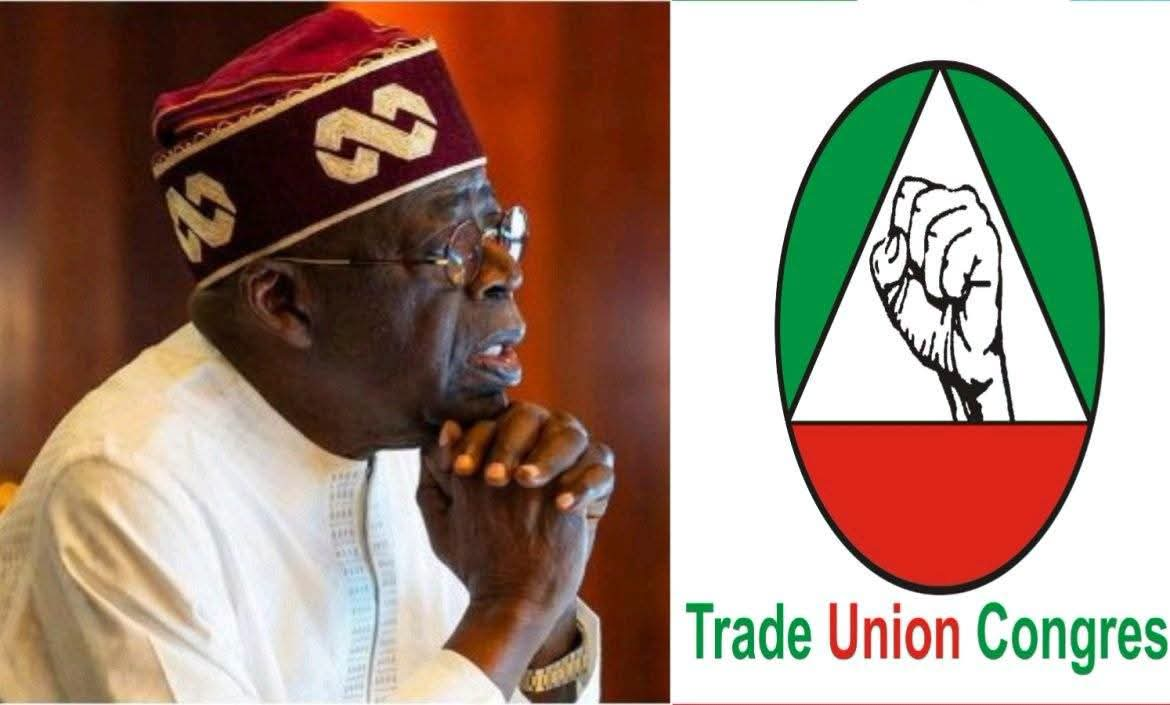
The Trade Union Congress of Nigeria (TUC) has urged the Federal Government to increase workers’ salaries without waiting for the next review of the national minimum wage.
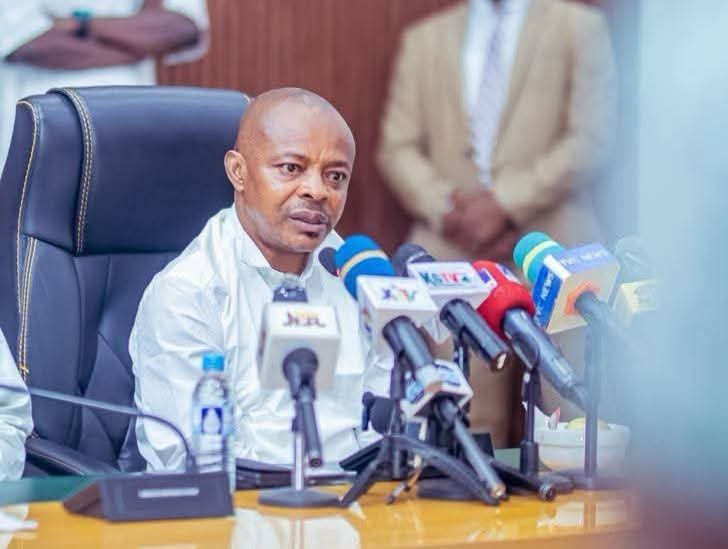
TUC President, Festus Osifo, said the government could raise the salaries of federal workers, including the pay of the least-paid employees, without enacting a new Minimum Wage Act.
Osifo spoke on Wednesday evening in Abuja while briefing journalists after the National Administrative Council meeting of the labour centre.
He explained that the national minimum wage should be regarded as a statutory wage floor rather than a ceiling restricting government or employers from paying workers above the prescribed amount.
According to him, the government could decide to increase the salary of its least-paid worker to N200,000, N400,000 or any other amount it considers appropriate, without waiting for a new minimum wage law.
He said the payment of salaries substantially above the minimum wage was already common in the private sector, where remuneration was largely determined by the value and responsibilities attached to jobs.
Osifo cited banks, food and beverage companies and oil and gas firms, where university graduates are generally paid well above the statutory minimum wage.
He specifically mentioned companies such as Nestlé, Cadbury, Shell, Chevron and TotalEnergies, saying their remuneration structures are based on job value and market considerations.
The TUC president said workers should therefore not be made to wait until the next statutory minimum wage review before their incomes and welfare are improved.
He disclosed that the union had engaged key government officials, including the Minister of Finance and the Secretary to the Government of the Federation, on measures to improve workers’ welfare.
Osifo also maintained that workers’ allowances could be reviewed independently of the minimum wage, stressing that employees should not bear the full burden of ongoing economic reforms until 2027.
He said the government had the power to increase salaries and allowances without waiting for another minimum wage negotiation.
The current national minimum wage of N70,000 was signed into law in 2024 and is expected to run for three years.
Osifo said organised labour was already preparing for the next review but urged the Federal Government to use available options to improve workers’ living standards before then.
He also cited Ghana as an example, arguing that governments and employers could independently decide to pay workers above the statutory wage floor.
The TUC leader reiterated that a minimum wage represents the least amount workers should be paid and should not prevent employers, particularly government, from offering better remuneration.
He urged the Federal Government to take immediate steps to boost workers’ incomes and cushion the impact of economic reforms rather than wait for the next minimum wage review.