 Subscribe: Gist E-Paper

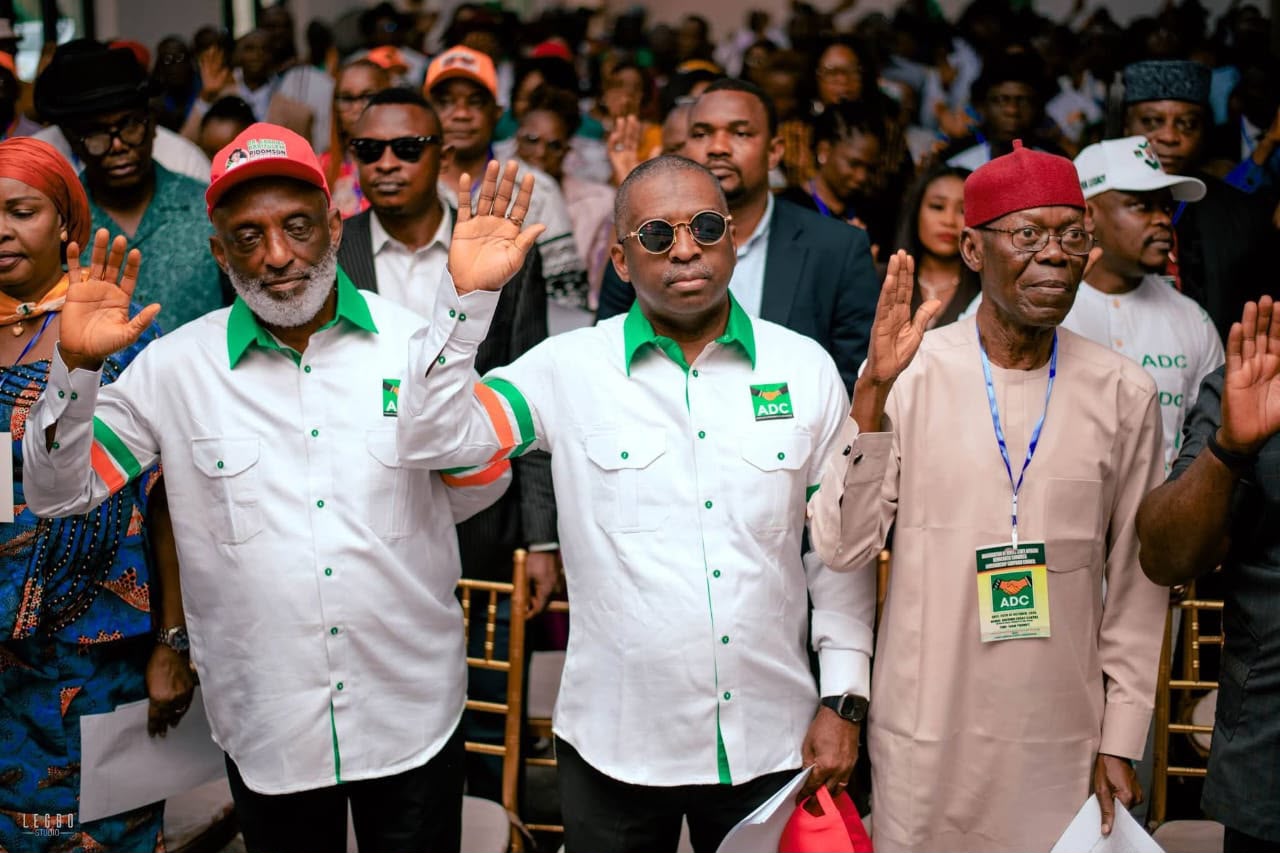
Former Vice President and African Democratic Congress (ADC) presidential candidate, Atiku Abubakar, has criticised President Bola Tinubu’s administration, accusing it of worsening poverty and hardship in Nigeria.
Atiku made the allegation in a state-of-the-nation broadcast at the ADC secretariat in Abuja on Thursday, as Nigerians marked the country’s 66th Independence Anniversary.
He faulted the Federal Government’s economic policies, particularly the removal of the petrol subsidy, rising living costs and persistent insecurity, arguing that the realities confronting Nigerians contradicted the administration’s claims of economic progress.
His remarks followed President Tinubu’s Independence Day address, in which the President said the country was moving from a period of difficult reforms into an era of prosperity.
Atiku, however, argued that the benefits of the reforms had yet to reach millions of Nigerians struggling with food, transportation, healthcare and other basic needs.
He said the removal of the petrol subsidy had triggered increases in transportation and food costs, while questioning the extent to which savings from the policy had translated into tangible relief for citizens.
According to him, government claims of declining inflation and economic growth should not be presented as proof of prosperity when household purchasing power remains under pressure.
Atiku also criticised the administration’s handling of insecurity, saying attacks by armed groups had displaced communities, endangered farmers and created fear among families across the country.
He maintained that economic recovery could not be separated from security, insisting that citizens must be able to work, trade, farm and travel without fear.
The ADC candidate also questioned the Federal Government’s social intervention programmes, including student loans, consumer credit and cash transfers, arguing that such measures should be accompanied by greater transparency and accountability.
He called for clearer information on beneficiaries of government cash-transfer programmes and how public funds allocated for such interventions were disbursed.
Atiku further raised concerns about public borrowing and debt, asking the government to account for projects and programmes financed with funds already borrowed before contracting additional loans.
He also criticised aspects of the Federal Government’s budgetary process, arguing that Nigerians deserved greater clarity on what had been funded, completed or left outstanding.
On infrastructure procurement, Atiku questioned the circumstances surrounding the Lagos-Calabar Coastal Highway contract and called for greater transparency in the award and execution of major public projects.
He also urged the government to settle outstanding debts owed to local contractors, saying businesses that had executed government projects should not be left struggling with unpaid obligations.
The former vice president said the administration should measure economic success by what Nigerians can afford rather than by government revenue, growth figures or other macroeconomic indicators alone.
He argued that the country needed policies capable of lowering the cost of food, fuel and electricity while expanding employment opportunities and improving access to healthcare and education.
Atiku also challenged the administration to provide more opportunities for young Nigerians, saying the country’s youthful population represented significant economic potential if supported with jobs, skills and access to capital.
He urged the government to improve security in farming communities and create conditions that would enable farmers and manufacturers to produce at lower costs.
On governance, Atiku called for respect for the rule of law and due process, while urging the authorities to review cases involving citizens detained over political activities and ensure that their rights were protected.
He also appealed to Nigerians to participate actively in the 2027 general elections and resist intimidation, vote-buying and electoral manipulation.
Atiku said citizens should scrutinise the programmes and promises of all candidates before making their choices at the polls.
He argued that the 2027 election would provide Nigerians with an opportunity to determine the direction of the country and urged voters to protect their ballots.
Responding to President Tinubu’s reference to Nigeria having crossed its economic “Red Sea,” Atiku said the administration should demonstrate that the promised prosperity was reaching ordinary citizens.
He maintained that economic progress should ultimately be measured by improvements in household welfare, employment, security and purchasing power.
Atiku urged Nigerians not to surrender to despair, saying the country remained capable of recovery if its resources were managed transparently and its institutions strengthened.
He said the ADC would present its own economic programme focused on affordability, production, job creation, security and accountability.
He concluded by urging Nigerians to remain engaged in the democratic process and use their votes to determine the leadership and policies they want for the country.