 Subscribe: Gist E-Paper
..King Charles Douglas MacPepple Jaja assumes throne, pledges unity, freedom, development and global relevance
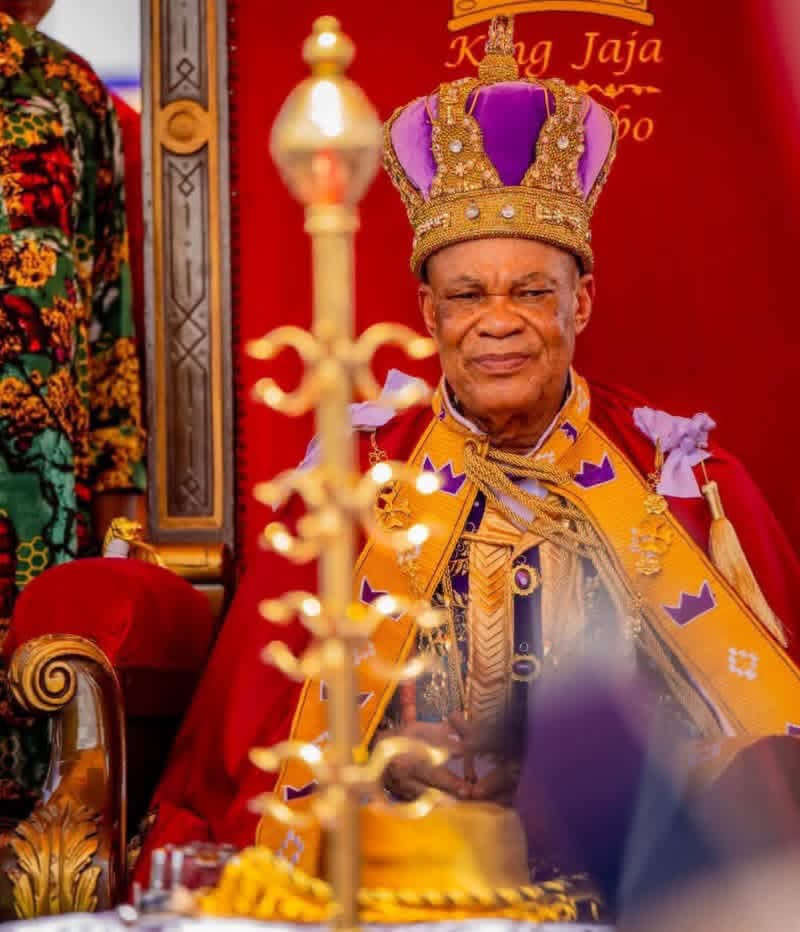
By Amieyeofori Ibim, Managing Editor
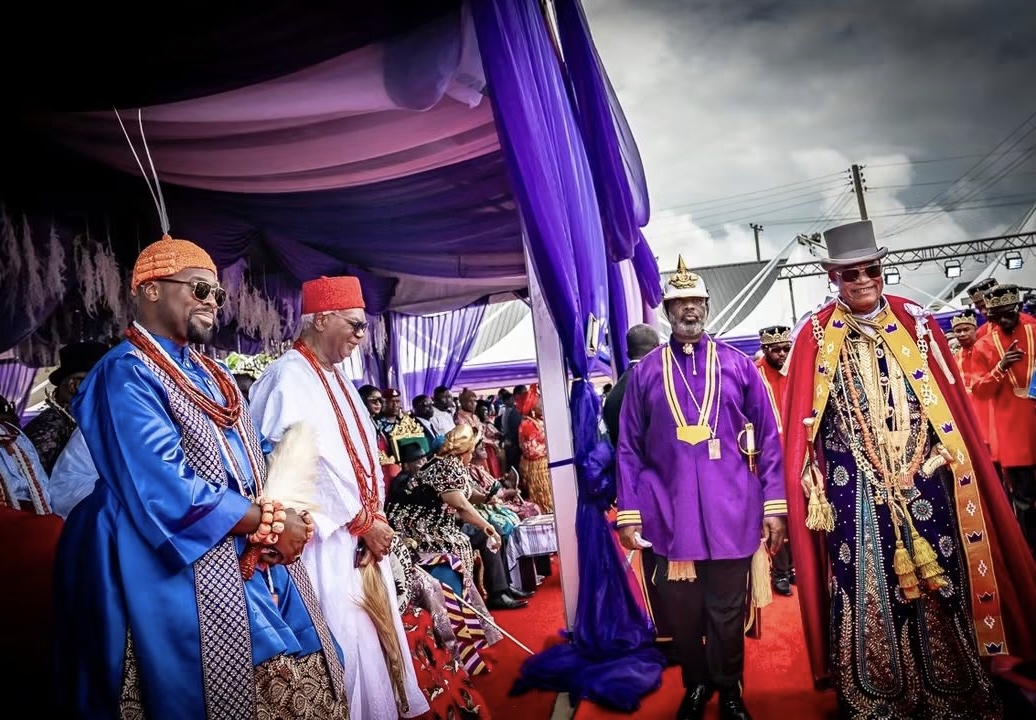
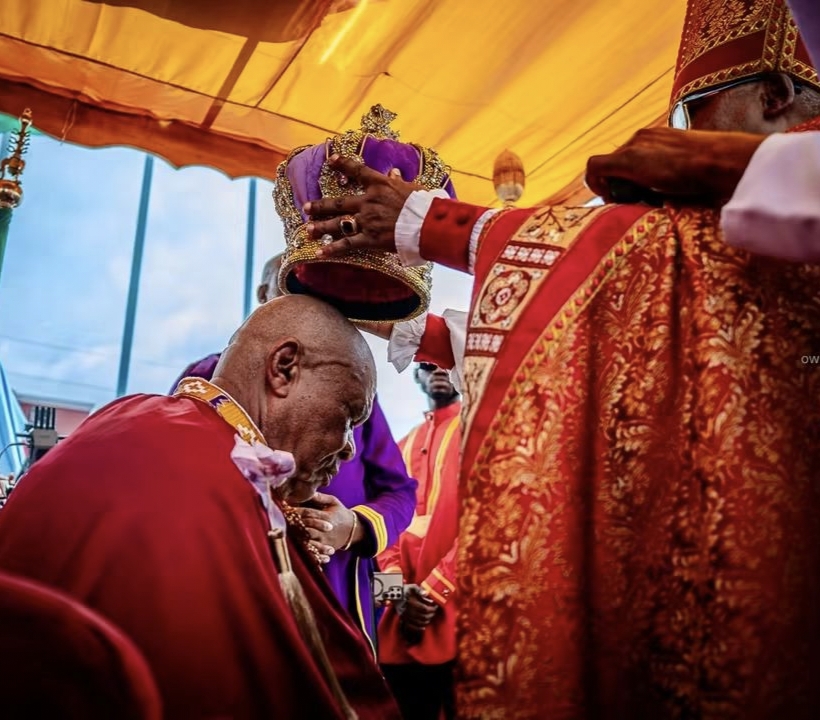
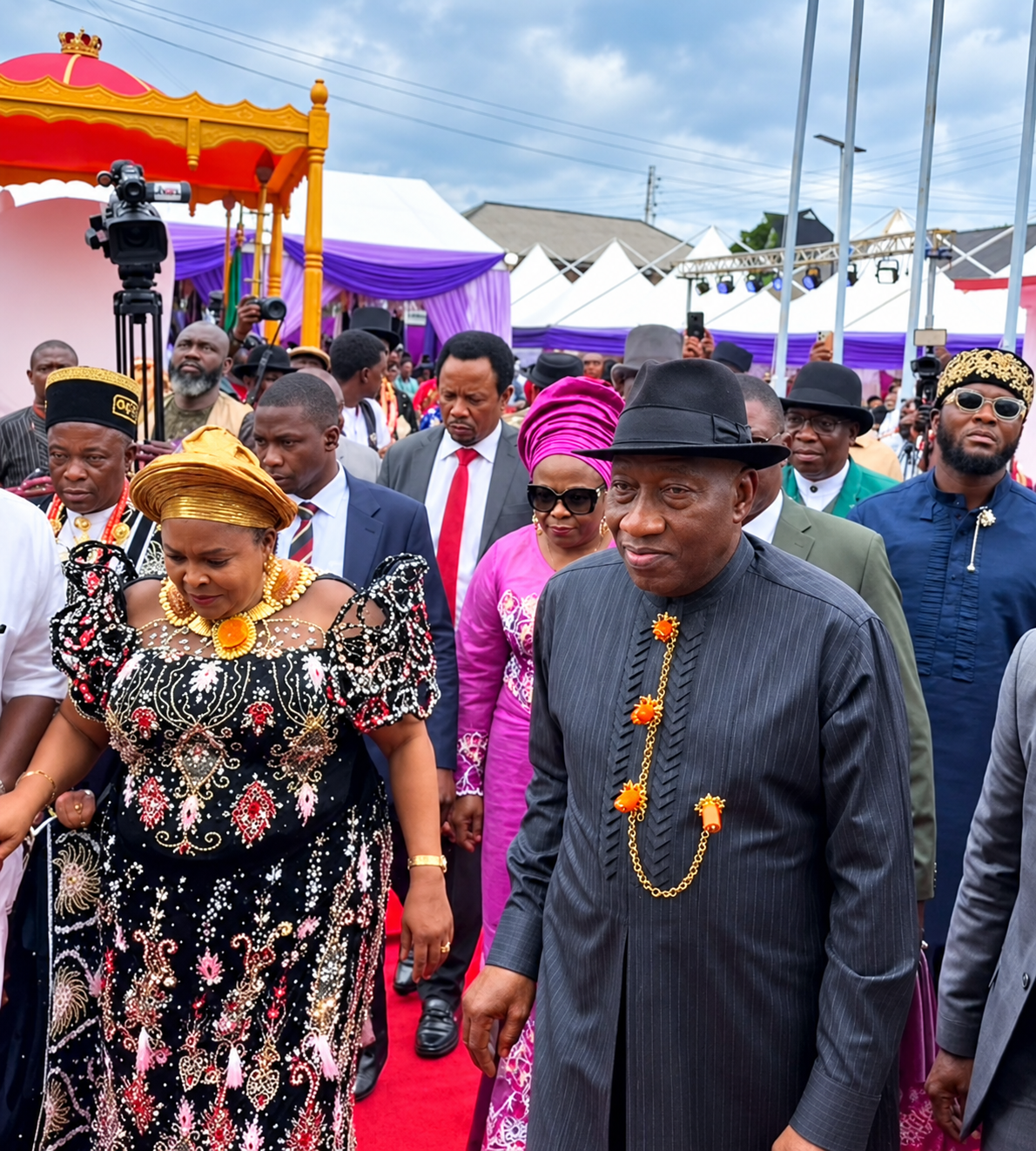
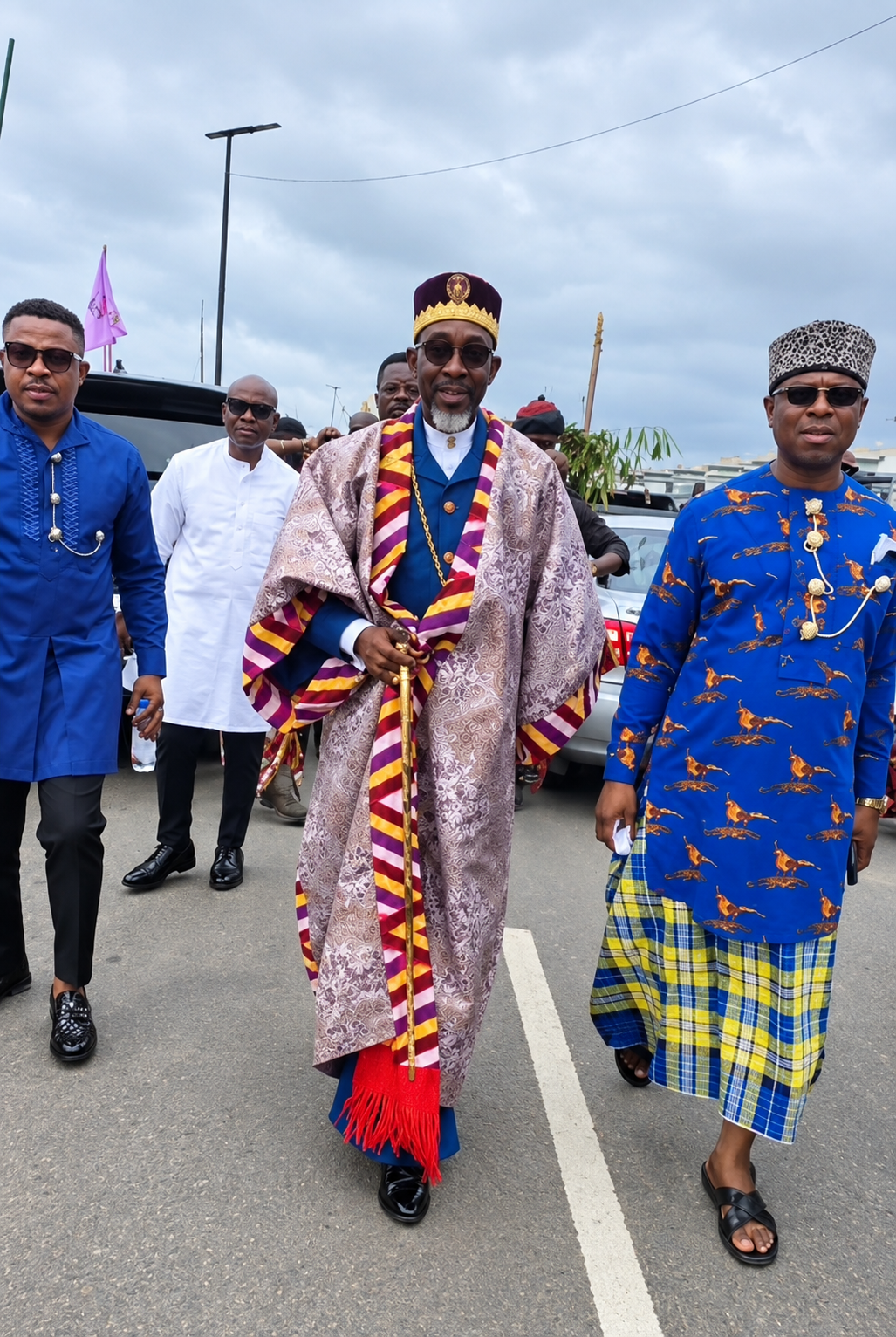
History came alive in Opobo Town on Saturday as the ancient and culturally rich Opobo Kingdom formally installed King Charles Douglas MacPepple Jaja, Jeki VI, as its sixth Amanyanabo, in a grand coronation attended by former President Goodluck Jonathan, the Obi of Onitsha, Igwe Nnaemeka Achebe, the Olu of Warri, Ogiame Atuwatse III, and an array of traditional rulers, government officials and distinguished guests from across Nigeria.

The colourful ceremony, held at King Jaja Square, Opobo Town, headquarters of Opobo/Nkoro Local Government Area of Rivers State, marked the formal beginning of a new chapter in the history of a kingdom whose name remains deeply connected with the political, commercial and cultural history of the Niger Delta.
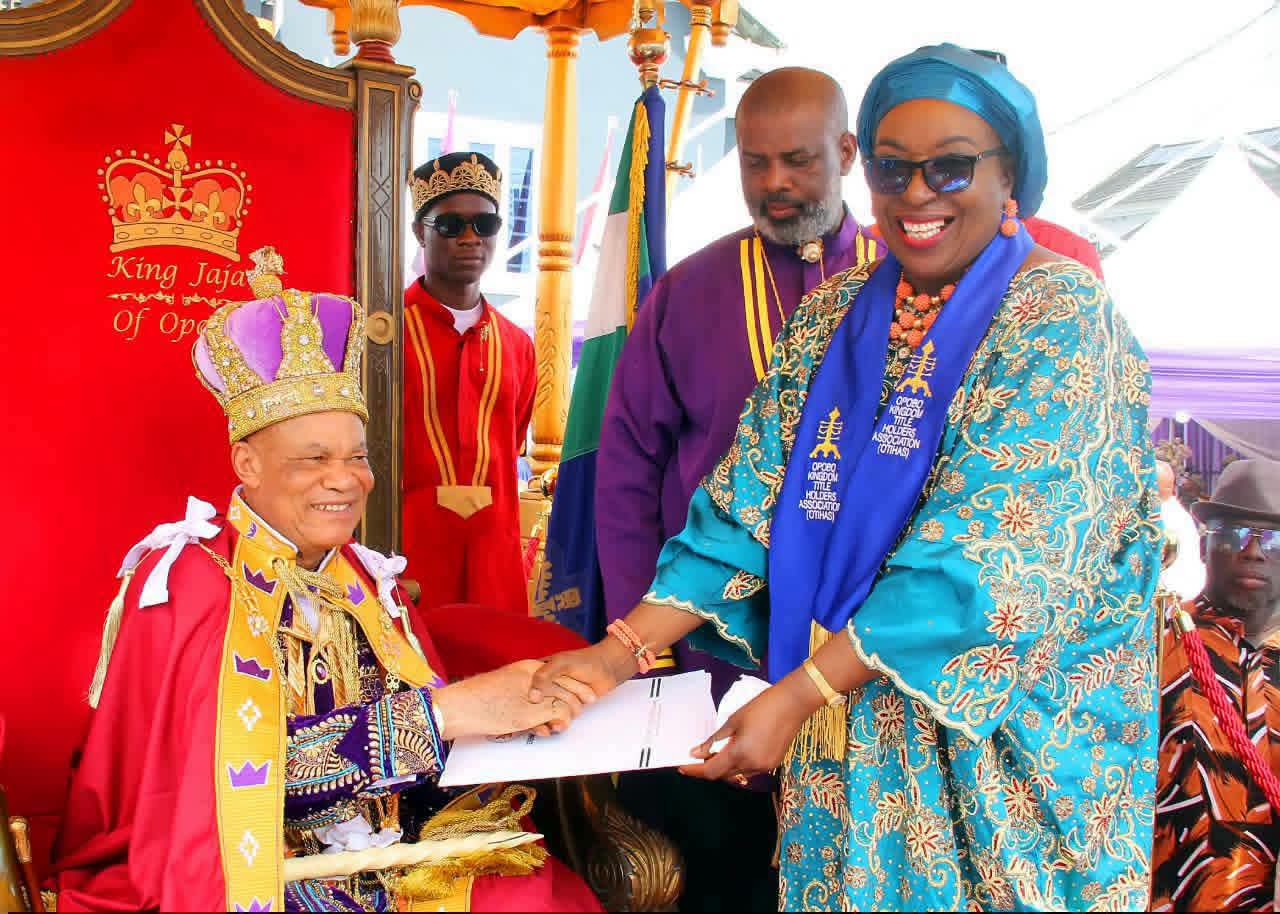
In an atmosphere of royal splendour and celebration, King Charles was anointed and crowned by the Bishop of the Niger Delta Diocese, Rt. Rev. Emmanuel Oko-Jaja, formally confirming his emergence as the occupant of one of the region’s most historic traditional stools.

The new monarch, who was elected in December 2025 following the death of his predecessor, King Dandeson Douglas Jaja, assumes the title Jeki VI, succeeding a line of monarchs associated with the royal heritage established by the legendary King Jaja of Opobo.

King Dandeson, who also served as Chairman of the Rivers State Council of Traditional Rulers, died in 2025 and was buried on April 11, 2026, bringing to an end his reign and paving the way for the selection and eventual coronation of his successor.
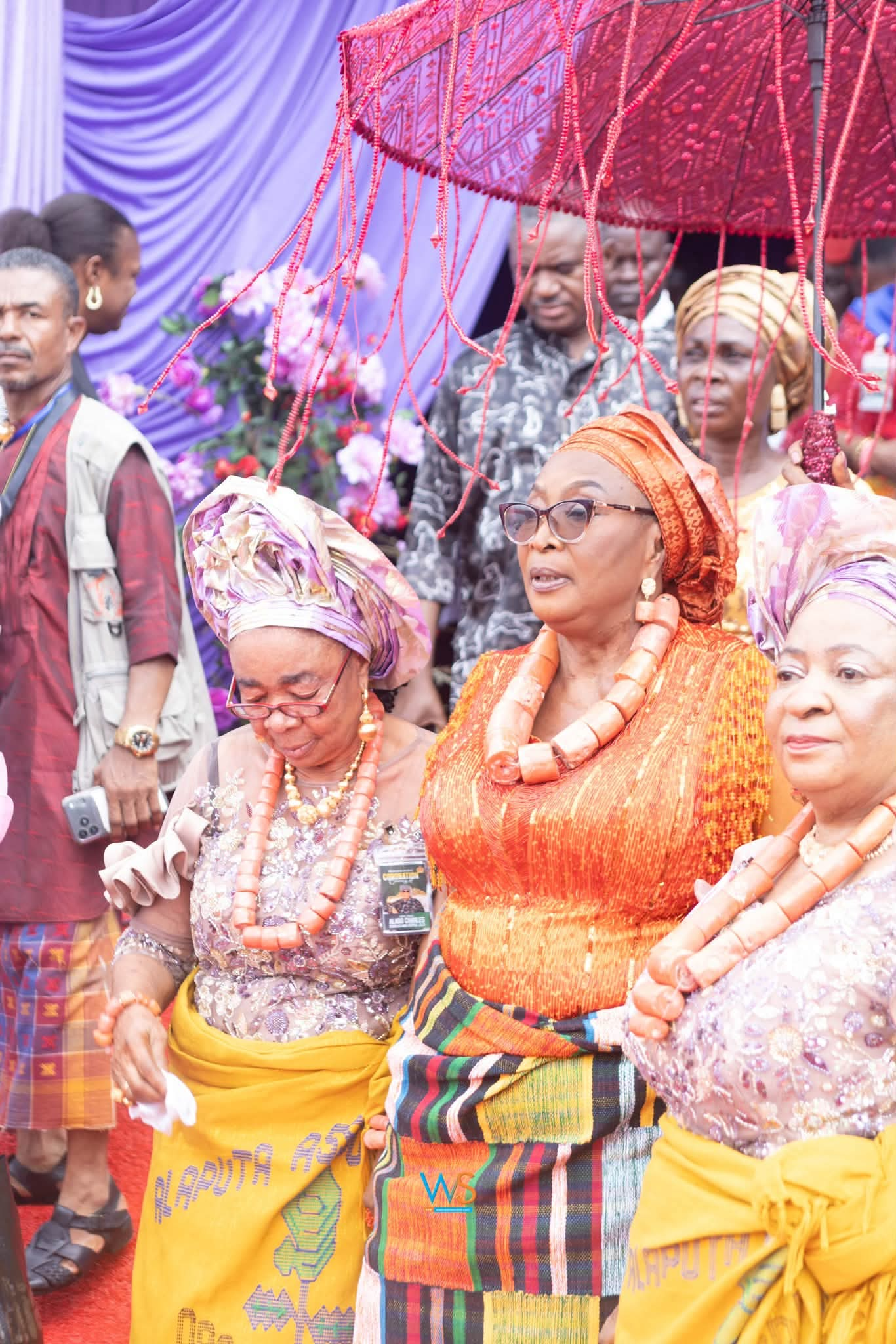
For Opobo, however, Saturday’s ceremony was more than the installation of a new king. It was a celebration of identity, history and continuity, with the kingdom’s past meeting its aspirations for the future under a new royal leadership.
A THRONE ROOTED IN HISTORY
The name of King Jaja of Opobo, after whom the new monarch derives his royal lineage and title, occupies a significant place in the history of the Niger Delta.

King Jaja founded Opobo Kingdom following the historic exodus of 1870, establishing a powerful political and commercial centre whose influence extended far beyond the immediate communities of the eastern Niger Delta.

It was this history that former President Goodluck Jonathan recalled in his message at the coronation.
Jonathan congratulated King Charles and the people of Opobo, highlighting the enduring significance of King Jaja and the struggle associated with his leadership.
He urged the new monarch to deploy the authority and prestige of the traditional institution in advancing peace, unity and development, while preserving the heritage that has distinguished Opobo over the decades.
The former President’s presence added national significance to the occasion, as dignitaries gathered to witness the transition from one generation of the Opobo monarchy to another.
JEKI VI: A PLEDGE TO THE PEOPLE
For the newly crowned monarch, the weight of the crown comes with responsibilities extending beyond ceremony and tradition.
Speaking after his coronation, King Charles expressed appreciation to the people of Opobo and the distinguished guests who travelled to the kingdom for the historic event.
He pledged to protect the freedom and rights of the people, uphold the dignity of the throne and provide leadership capable of moving the kingdom forward.
His emergence as Jeki VI places him at the centre of a royal institution whose history is closely associated with courage, self-determination, commerce and the quest for the advancement of its people.
The new reign therefore carries expectations that the traditional institution will remain a unifying force while responding to the aspirations of a younger generation seeking development, opportunities and stronger connections with the wider world.
JONATHAN: PRESERVE THE LEGACY
Former President Jonathan’s message underscored the historical responsibility attached to the throne.
He recalled the prominence of King Jaja of Opobo and his struggle for the freedom and prosperity of his people, urging Jeki VI to build upon that legacy by promoting peace and development.
For Jonathan, the history of Opobo should remain a source of inspiration for the present and future generations rather than merely a remembrance of the past.
His call also reflected the wider expectations placed on traditional institutions across Nigeria, particularly in communities where kings and chiefs remain important custodians of history, culture and social cohesion.
OBI OF ONITSHA RECALLS OLD TIES
Among the royal fathers who graced the occasion was the Obi of Onitsha, Igwe Nnaemeka Achebe, who spoke of the historic relationship between Onitsha and Opobo.
Achebe described King Jaja as an honest leader who worked for the freedom and prosperity of his people.
His presence at the coronation underscored the enduring relationships between historic kingdoms whose institutions have played significant roles in the social and commercial evolution of southern Nigeria.
The Obi prayed for peace and progress during the reign of Jeki VI, while celebrating the continuity represented by the coronation.
OLU OF WARRI JOINS ROYAL GATHERING
The Olu of Warri, Ogiame Atuwatse III, was also among the prominent traditional rulers who attended the historic event.
The Olu’s participation brought another major traditional institution from the Niger Delta and southern Nigeria into the gathering of royal fathers celebrating the new Opobo monarch.
The Warri Kingdom described his attendance as an expression of respect for the Opobo traditional institution and recognition of an important chapter in the history and heritage of the kingdom.
The Olu joined the people of Opobo in celebrating the occasion and extended his felicitations to Jeki VI, wishing him a long, peaceful and prosperous reign characterised by unity, progress and goodwill.
He also expressed the hope that the historic bonds of friendship, mutual respect and cooperation between the two kingdoms would continue to grow.
RIVERS GOVERNMENT: CULTURE AND IDENTITY
The Rivers State Government was represented by the Deputy Governor, Prof. Ngozi Odu, who described the coronation as a celebration of the identity, history and cultural heritage of Rivers State.
Odu emphasised the continuing role of traditional rulers as custodians of the culture and heritage of their people.
Her message placed the coronation within the broader cultural landscape of Rivers State, where traditional institutions remain important symbols of community identity and continuity.
She wished the new monarch wisdom and a reign characterised by peace, stability and progress.
A GATHERING OF ROYAL FATHERS
The coronation brought together an impressive gathering of traditional rulers from different parts of the country.
Among those present were the Obong of Calabar; Amanyanabo of Bonny, King Edward Asimini Dappa Pepple; Olu of Warri, Ogiame Atuwatse III; Eze Eberechi Oji; Eze Aro; Eze Iweka III of Obosi; King Buribaye Dakolo of Ekpetiama Kingdom in Bayelsa State; and Eze Eberiuogo of Omuma, among others.
Their presence transformed the ceremony into a significant gathering of Nigeria’s traditional institutions, with royal representatives converging in Opobo to witness the beginning of a new reign.
The diversity of the royal attendance also reflected the network of historical relationships, cultural affinities and mutual respect that exists among traditional institutions across the Niger Delta and beyond.
FROM KING JAJA TO JEKI VI
The significance of Jeki VI’s coronation lies ultimately in the continuity of a royal tradition that began more than 150 years ago.
From the historic events surrounding the founding of Opobo in 1870 to the modern-day kingdom, the traditional institution has remained a powerful symbol of the people’s history.
Jeki VI now inherits that history at a time when traditional rulers are increasingly expected to balance the preservation of customs with the changing aspirations of their communities.
The challenge before the new monarch is therefore both traditional and contemporary: to preserve the dignity of the throne while using its influence to encourage unity, peace, development and opportunity.
For the people of Opobo, the coronation provides a fresh point of collective identity.
For the wider Niger Delta, it represents the continued vitality of traditional institutions in a rapidly changing society.
And for Jeki VI, the crown marks not simply the attainment of a royal title, but the beginning of a responsibility to a people whose history is inseparable from the story of courage, enterprise and the pursuit of freedom.
As the celebrations give way to the realities of a new reign, expectations will increasingly focus on how King Charles Douglas MacPepple Jaja translates the symbolism of his coronation into a legacy of unity, development, cultural preservation and greater global relevance for Opobo Kingdom.
The crown has been placed.
The reign of Jeki VI has begun.