 Subscribe: Gist E-Paper
The Code of Conduct Bureau (CCB) has investigated and verified the assets declared by more than 20 ministers and 30 permanent secretaries as part of efforts to strengthen accountability among public officers.
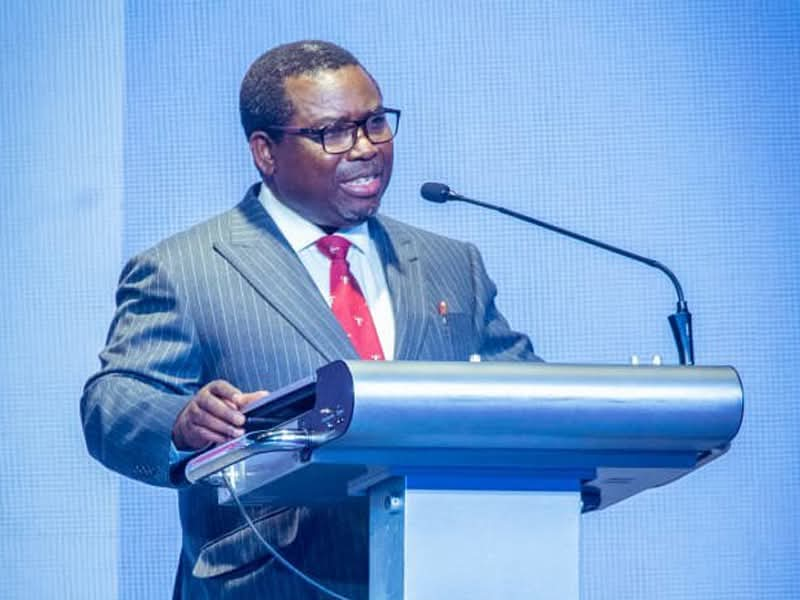
CCB Chairman, Abdullahi Bello, disclosed this in Abuja on Wednesday at an anti-corruption and asset-tracing stakeholders’ workshop organised by the Human and Environmental Development Agenda (HEDA) in collaboration with the Platform to Protect Whistleblowers in Africa.
Bello said the bureau had moved beyond merely receiving asset declaration forms to examining the declarations, investigating suspected infractions and prosecuting offenders.
“We are not submitting forms anymore. Now, we’re examining the forms, we’re also investigating, and we’re also prosecuting,” he said.
He said the bureau’s verification exercise had focused on high-profile public officials, adding that it had also examined declarations involving 32 health agencies and other senior officials.
“We have interviewed and verified the relations of more than 20 ministers, 30 permanent secretaries, 32 health agencies, and other high-profile individuals,” Bello said.
According to him, public officers are invited for face-to-face examination of their asset declarations, while their holdings are compared at the beginning and end of their tenure.
He explained that significant differences in an official’s assets that could not be accounted for by legitimate income could trigger further investigation and possible prosecution.
Bello, however, stressed that the CCB does not have to wait until an official leaves office before commencing an investigation.
“If there is any allegation against you, we can also investigate. Or if there is intelligence against you, we can also investigate,” he said.
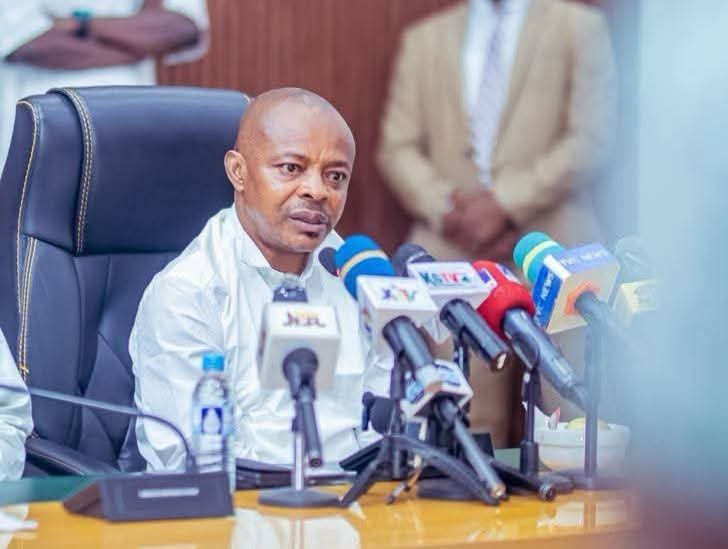
Speaking at the workshop, HEDA Executive Secretary, Arigbabu Sulaimon, said the meeting was designed to strengthen collaboration among anti-corruption agencies, civil society organisations and other stakeholders.
Sulaimon described the workshop as a technical working session aimed at improving information sharing and cooperation in the fight against corruption.
He called for greater use of the Proceeds of Crime Act and the CCB’s statutory powers to trace and recover illicit assets.
The HEDA executive secretary also advocated stronger protection for whistleblowers, saying adequate safeguards would encourage more people to provide information on corruption and other crimes.