 Subscribe: Gist E-Paper
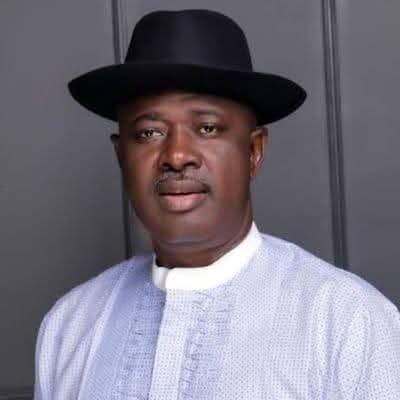
The Federal Government cannot directly control petrol prices under the current deregulated regime, Minister of State for Petroleum Resources, Heineken Lokpobiri, has said.
Lokpobiri, who spoke on a television programme on Tuesday, attributed the rising cost of energy to global market conditions, particularly the crisis in the Middle East.
He said crude oil and petroleum products were globally traded commodities, adding that developments affecting international energy prices also had consequences for Nigeria.
“Oil and gas is a global commodity. What is sold in New York is also what is sold here,” Lokpobiri said.
According to him, the impact of rising energy prices was not peculiar to Nigeria, as consumers in the United States and Europe were also experiencing reduced purchasing power.
The minister said Nigeria could not arbitrarily determine petrol prices under the deregulated market without reverting to a subsidy regime.
Asked whether the Tinubu administration had the power to reduce or increase petrol prices, Lokpobiri said, “No, we don’t,” explaining that the market was fully deregulated in line with global practices.
He said fluctuations in global crude oil prices would continue to affect petroleum prices regardless of Nigeria’s level of oil production.
Lokpobiri also defended President Bola Tinubu’s decision to remove petrol subsidy on May 29, 2023, saying the policy was implemented at the appropriate time.
He argued that failure to remove the subsidy could have pushed Nigeria towards a severe economic situation similar to that experienced by Venezuela.
“This decision was made at the right time and if it wasn’t made then, Nigeria would have been like Venezuela,” he said.
The minister added that subsidy removal had saved the government significant funds which could be redirected to other areas of the economy.
His comments come amid continued concerns over rising petrol prices and their impact on transportation, food prices and household purchasing power.