 Subscribe: Gist E-Paper
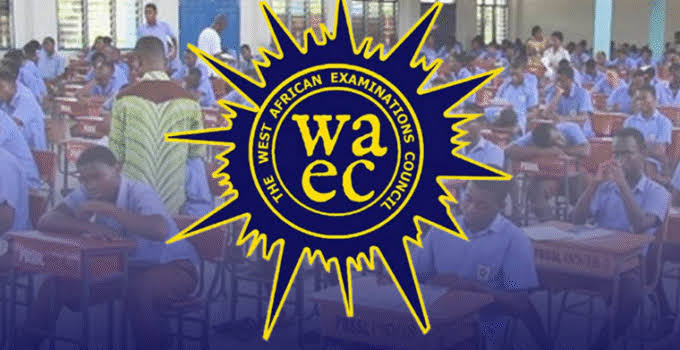
The West African Examinations Council has recommended stricter use of computer-based testing to curb examination malpractice and the alleged activities of “miracle centres.”
A WAEC official in Makurdi, Timothy Manga, made the recommendation in an interview on concerns over examination malpractice and its impact on the credibility of public examinations.
Manga described the alleged existence of miracle centres as worrying, although he said WAEC had not received official information confirming any such centre in Benue State.
He said examination systems should reward knowledge, preparation and competence rather than provide opportunities for candidates to receive unauthorised assistance.
According to him, WAEC would continue to monitor developments and take action where credible information about examination malpractice is established.
A teacher, Rebecca Ezekiel, also supported the use of independent examination centres, saying they could reduce the influence of schools and teachers over external examinations conducted by WAEC and the National Examinations Council.
Ezekiel said CBT could give examination bodies greater control over venues, personnel and security. She also recommended biometric verification, CCTV cameras and other technologies to strengthen monitoring.
However, a school proprietor, Jude Odeh, cautioned against labelling schools as miracle centres simply because they admit students into their final year.
Odeh said he had heard allegations about such centres but was yet to identify a specific school operating in that manner. He added that some parents transfer their children because of high school fees and examination registration costs.
He said some schools in Benue do not admit new students into SS3, insisting that only students promoted from SS2 are registered for external examinations.