 Subscribe: Gist E-Paper
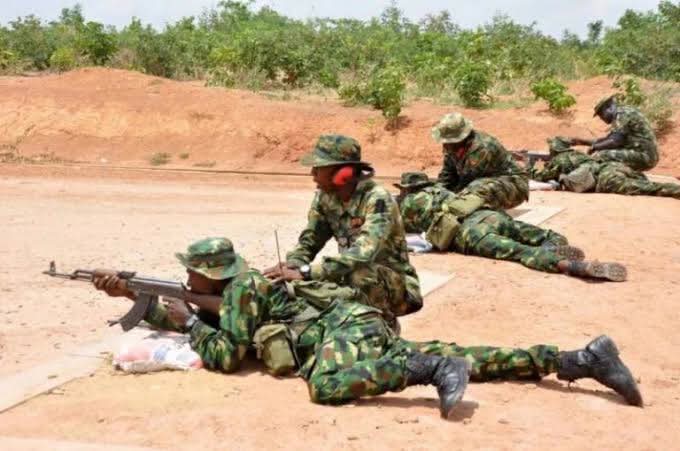
The United Nations has expressed concern over the growing sophistication of terrorist groups operating in northern Nigeria and across the West African and Sahel region, warning that insurgents are increasingly deploying drones, advanced communication technology and cryptocurrencies to expand and coordinate their attacks.
The warning was issued during a briefing to the United Nations Security Council by the Special Representative of the Secretary-General for West Africa and the Sahel and Head of the United Nations Office for West Africa and the Sahel (UNOWAS), Leonardo Simão, while presenting the Secretary-General's report on developments in the region between November 29, 2025, and June 30, 2026.
The report was discussed as the Security Council reviewed the worsening security, political and humanitarian situation across West Africa and the Sahel, where terrorism, political instability and humanitarian emergencies continue to threaten regional peace and development.
Simão said terrorist organisations had become more technologically advanced, making security operations more challenging. He disclosed that armed groups were now relying on drones, sophisticated communication systems and cryptocurrencies while coordinating attacks across national borders.
According to him, the operations of the extremist groups are increasingly linked to transnational organised crime, allowing them to strengthen territorial control, expand illegal economic activities, undermine confidence in government institutions and weaken social cohesion.
The UN official noted that Nigeria, Niger and Burkina Faso remain among the countries most affected by persistent terrorist attacks, kidnappings and heavy civilian casualties despite sustained military operations.
He described the humanitarian consequences as alarming, revealing that about 6.8 million people have been displaced across the region, while another 1.28 million are living as refugees or asylum seekers.
Simão added that insecurity and inadequate humanitarian funding have continued to restrict access to vulnerable communities, leaving women, children and young people to suffer the greatest impact of the crisis.
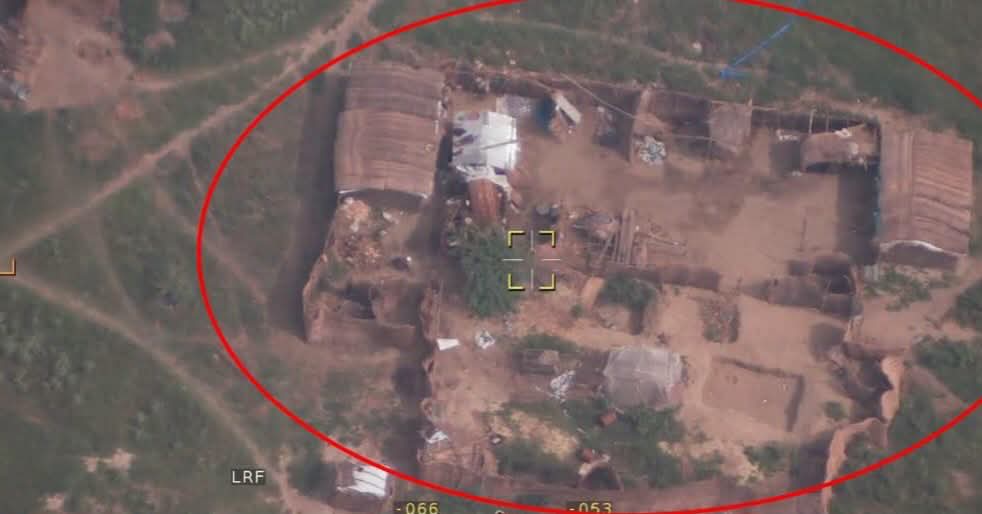
The UN warning came weeks after the United States announced what it described as the largest seizure of terrorist equipment in Nigeria since the September 11, 2001 attacks. According to US Deputy Assistant and Senior Director for Counterterrorism, Dr. Sebastian Gorka, a joint operation with Nigerian security forces led to the recovery of a large cache of electronic devices and operational materials belonging to jihadist groups.
Gorka disclosed that the volume of recovered equipment was so enormous that an additional aircraft was required to transport the items to the United States for forensic analysis. He also said the operation resulted in the killing of 199 jihadists during a single raid.
Despite the deteriorating security environment, Simão identified encouraging signs of regional cooperation, including the reopening of the Kamba border crossing between Nigeria and Niger and progress made by the Cameroon-Nigeria Mixed Commission in implementing the 2002 International Court of Justice judgment on the countries' land and maritime boundaries.
He stressed that military operations alone would not defeat terrorism, urging governments and the international community to tackle poverty, unemployment, poor governance and other socio-economic conditions that fuel violent extremism.
Simão further noted that ECOWAS was making renewed efforts to operationalise its standby force, although financial constraints had limited its full deployment.
Members of the 15-nation Security Council agreed that terrorism in West Africa and the Sahel has become more sophisticated and increasingly intertwined with organised crime, illicit trafficking and drug-related activities. They called for stronger regional cooperation alongside greater investment in governance, education, employment opportunities, humanitarian assistance and economic development to address the root causes of insecurity.
Council members also acknowledged that regional diplomacy is gaining momentum, expressing support for UNOWAS and preventive diplomacy as vital instruments for addressing both the immediate security threats and the long-term challenges confronting West Africa and the Sahel.