 Subscribe: Gist E-Paper
The Federal Government has directed banks, financial institutions and designated non-financial businesses to strictly enforce sanctions measures against individuals and entities linked to terrorism financing, including the immediate freezing of their assets.
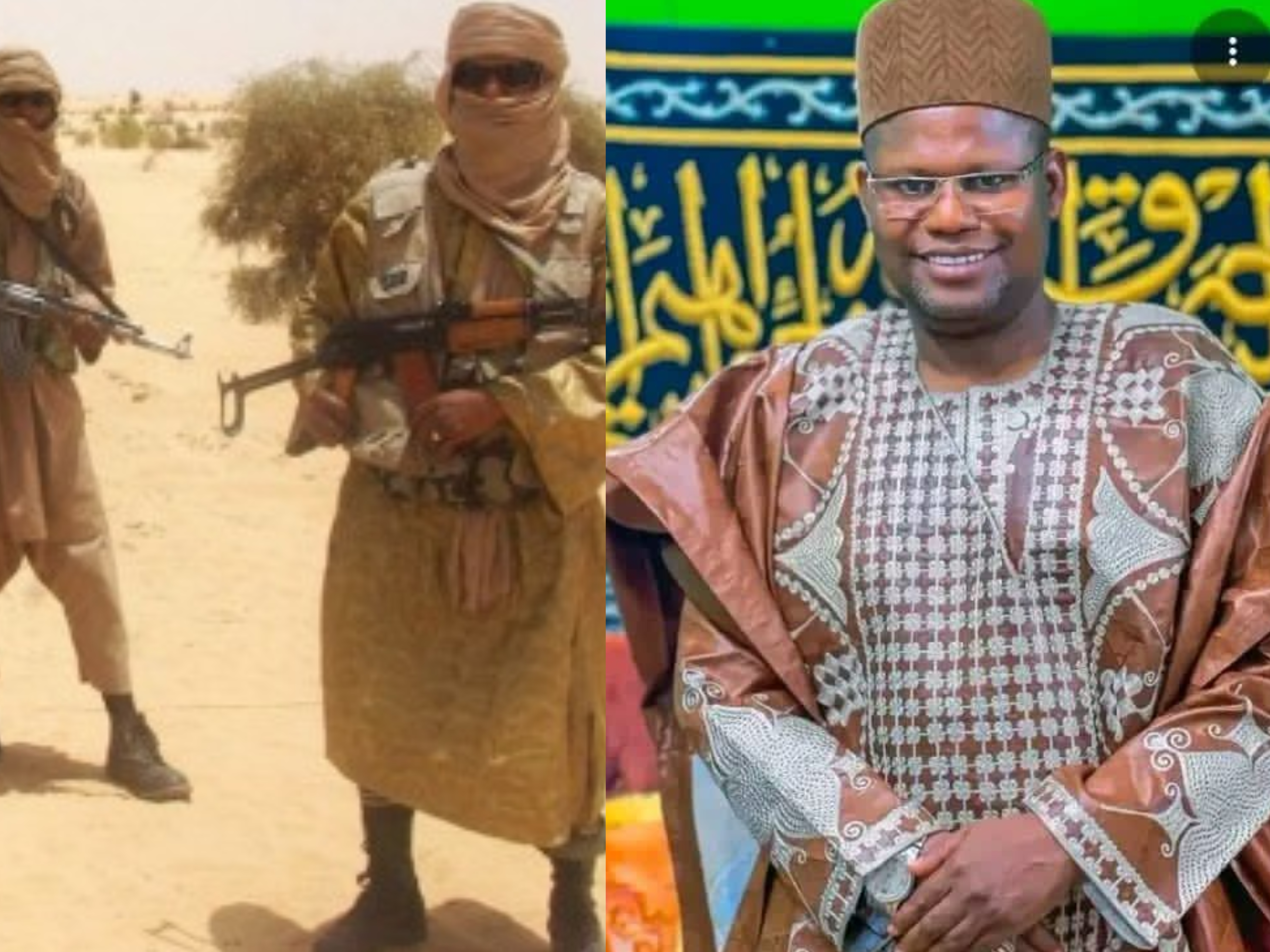
The directive follows recent sanctions imposed by the United States government on a Nigerian alleged financier of the Islamic State (ISIS), Mukhtar Adamu Muhammad, and three Bureau De Change (BDC) operators accused of facilitating the movement of funds for the terrorist group.
The affected firms are Generation Currency Bureau De Change Limited, Nine to Nine Exchange Bureau De Change Limited and Manhattan Bureau De Change Limited.
In a statement issued on Wednesday, the Nigerian Sanctions Committee urged all financial institutions and designated non-financial businesses and professions to comply fully with sanctions regulations, including asset-freezing requirements, the filing of Suspicious Transaction Reports and prompt reporting of any matches to relevant authorities.
The committee said the US action reinforced sanctions already imposed by Nigeria and reflected growing international cooperation aimed at dismantling financial networks supporting terrorist organisations.
Earlier this month, the Federal Government added six individuals and one entity to its sanctions list over alleged links to terrorism financing. Those listed include Ibrahim Yakubu Ogirima, Adamu Chiroma, Ibrahim Abubakar, Abdullahi Umar Usman, Babangida Muhammed, Adamu Hammajam and Abbal Bako & Sons Bureau De Change Limited.
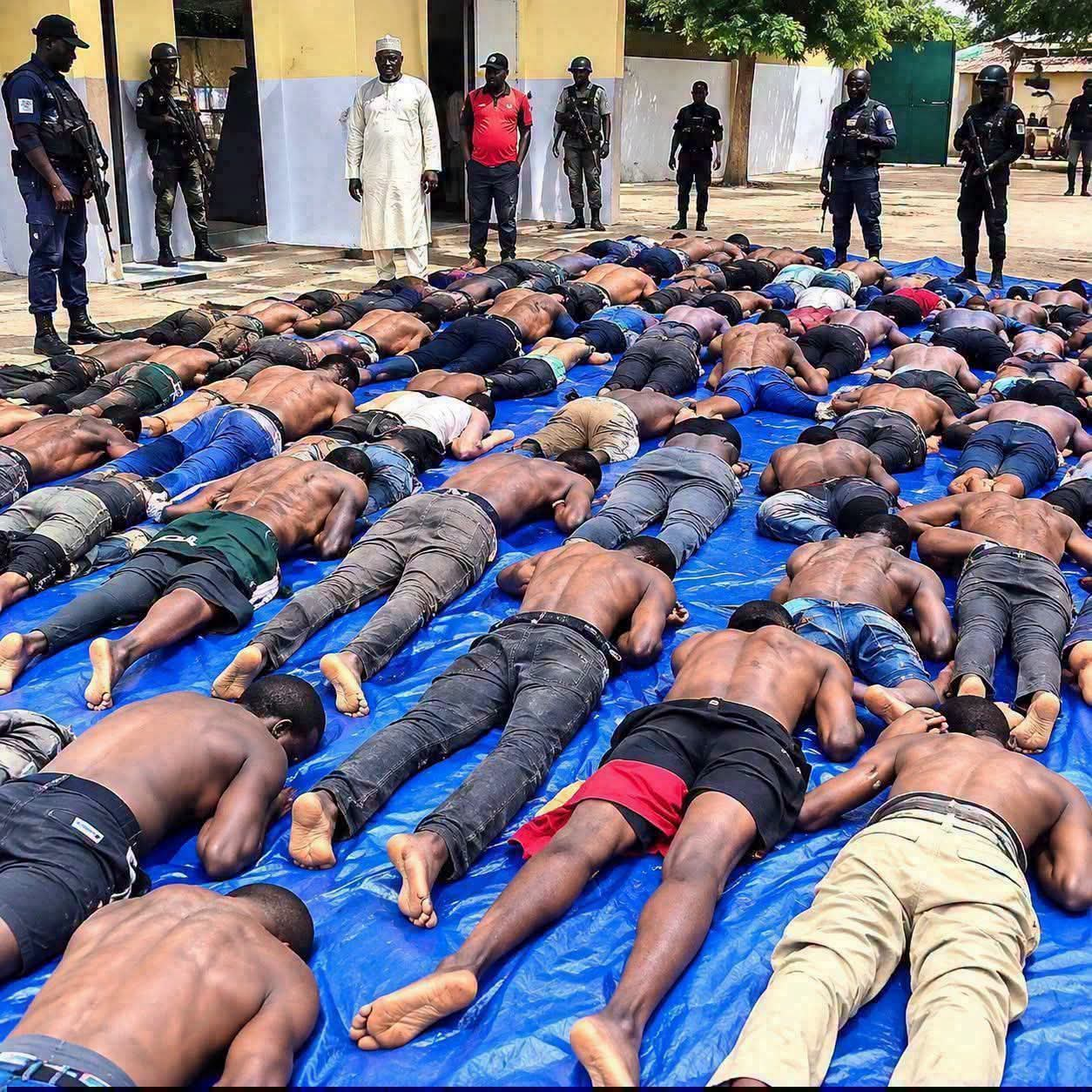
According to the committee, the sanctions followed extensive intelligence gathering, financial investigations and inter-agency assessments which established reasonable grounds to believe that the affected persons and organisations provided support to the Islamic State West Africa Province (ISWAP) and other associated terrorist networks.
The committee reaffirmed Nigeria’s commitment to denying terrorists and their financiers access to the country's financial system and commended the Federal Ministry of Justice, the Office of the National Security Adviser, the Central Bank of Nigeria, the Department of State Services, the Economic and Financial Crimes Commission and the Nigerian Financial Intelligence Unit for their roles in the sanctions process.
It also pledged continued collaboration with domestic and international partners to strengthen financial integrity and combat terrorism financing.
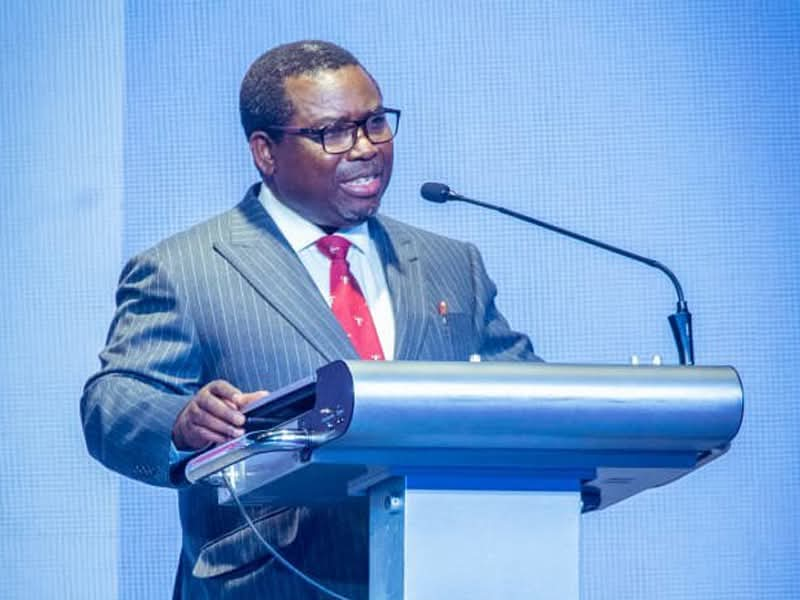
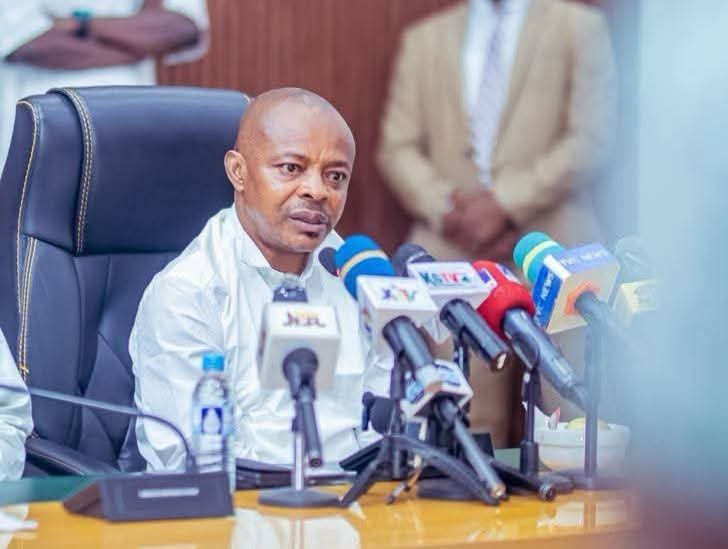
Meanwhile, the Chief of Defence Intelligence, Lt. Gen. Emmanuel Undiandeye, said Nigeria’s armed forces, working alongside international allies, have significantly weakened terrorist groups operating in the country.
Speaking during the Second Quarter Operations Briefing for Foreign Defence Advisers and Attachés at the Defence Intelligence Agency headquarters, Undiandeye said coordinated operations involving Nigeria, the United States, the United Kingdom and France had disrupted the leadership, logistics and support networks of Boko Haram, ISWAP and other extremist groups.
He stated that military operations had decimated several terrorist commanders and dismantled critical supply chains that sustained insurgent activities.
The defence chief maintained that security challenges across the country had been substantially contained through improved intelligence gathering, technology-driven operations and stronger collaboration with allied nations.
He added that the briefing was designed to provide foreign defence representatives with an accurate assessment of the security situation in Nigeria and the wider Sahel region.
Also speaking, Director of Foreign Liaison, Major General Ojogbane Adegbe, said the quarterly engagement serves as a platform for strengthening cooperation between the Defence Intelligence Agency, foreign missions and other security stakeholders in addressing regional security threats.