 Subscribe: Gist E-Paper
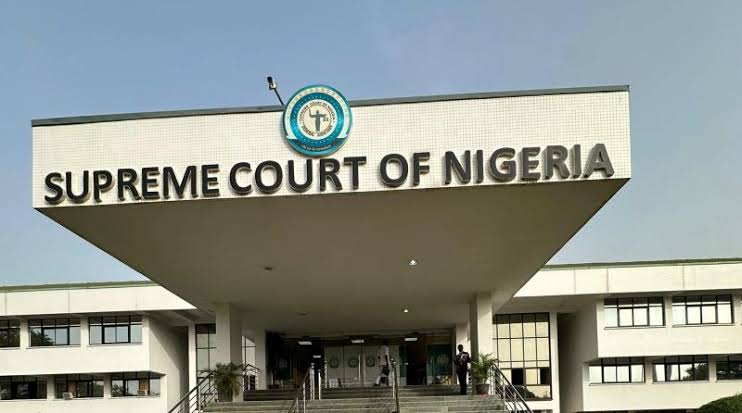
Tension has gripped Nigeria’s opposition camp as the Supreme Court prepares to deliver judgment today on the leadership crises rocking the African Democratic Congress (ADC), Labour Party (LP), and Peoples Democratic Party (PDP).
The rulings are expected to determine the legitimate leadership structures of the parties ahead of the 2027 general elections, with far-reaching implications for their participation in the electoral process.
In view of the timelines set by the Independent National Electoral Commission (INEC), the apex court last week fast-tracked hearings on the disputes, which centre on issues of party control, constitutional compliance, and authority to organise primaries and submit candidates.
Stakeholders across the opposition have expressed concern that the verdict could significantly alter political alignments, urging party leaders to prepare contingency plans to avoid being excluded from the election process.
INEC has already fixed January 16, 2027, for the Presidential and National Assembly elections, while governorship and state assembly polls are scheduled for February 6, 2027. Political parties are required to conduct their primaries between April 23 and May 30, 2026.
Within the PDP, the crisis revolves around the disputed national secretary position and broader questions of leadership legitimacy, with rival factions laying claim to the party’s structure and authority.
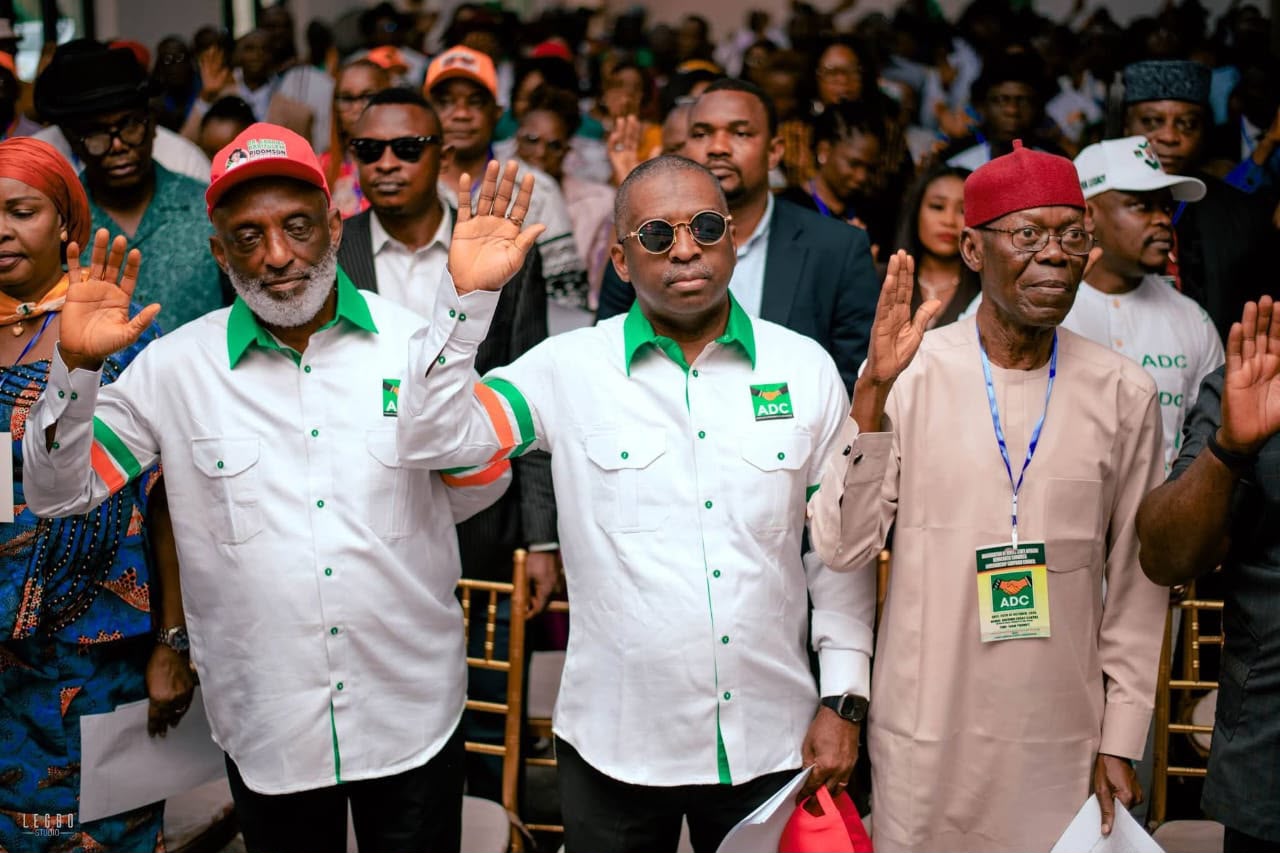
Similarly, the ADC is battling internal disagreements over recognised leadership and decision-making powers, a development that threatens its emergence as a viable coalition platform.
Observers note that the Supreme Court’s decision could trigger a race against time for the affected parties. A favourable ruling may shift focus to reconciliation and rapid mobilisation for congresses and primaries, while an adverse judgment could force emergency restructuring, including caretaker arrangements and fresh conventions.
An unclear or split verdict, analysts warn, may prove even more destabilising, potentially leading to parallel leadership claims, conflicting primaries, and prolonged litigation.
Behind the scenes, opposition figures are already weighing strategic alternatives, including possible defections, coalition realignments, and the exploration of smaller political platforms as fallback options.
The outcome is also seen as critical to the broader opposition coalition involving key political figures seeking a united front against the ruling party in 2027.
Legal experts caution that the tight electoral timetable leaves little room for prolonged disputes. They warn that delayed judgments or outcomes that fall outside INEC’s schedule could render victories ineffective or “academic.”
Analysts further argue that an unfavourable ruling could weaken the opposition’s bargaining power, deepen internal divisions, and complicate efforts to present a cohesive electoral challenge.
Despite public assurances of confidence, indications suggest that several stakeholders are quietly preparing for multiple scenarios, including the possibility of relocating to alternative political platforms if the verdict does not favour their factions.
As the nation awaits the Supreme Court’s pronouncement, the decisions are widely regarded as a defining moment for Nigeria’s opposition politics and a key determinant of the shape of the 2027 electoral contest.