 Subscribe: Gist E-Paper
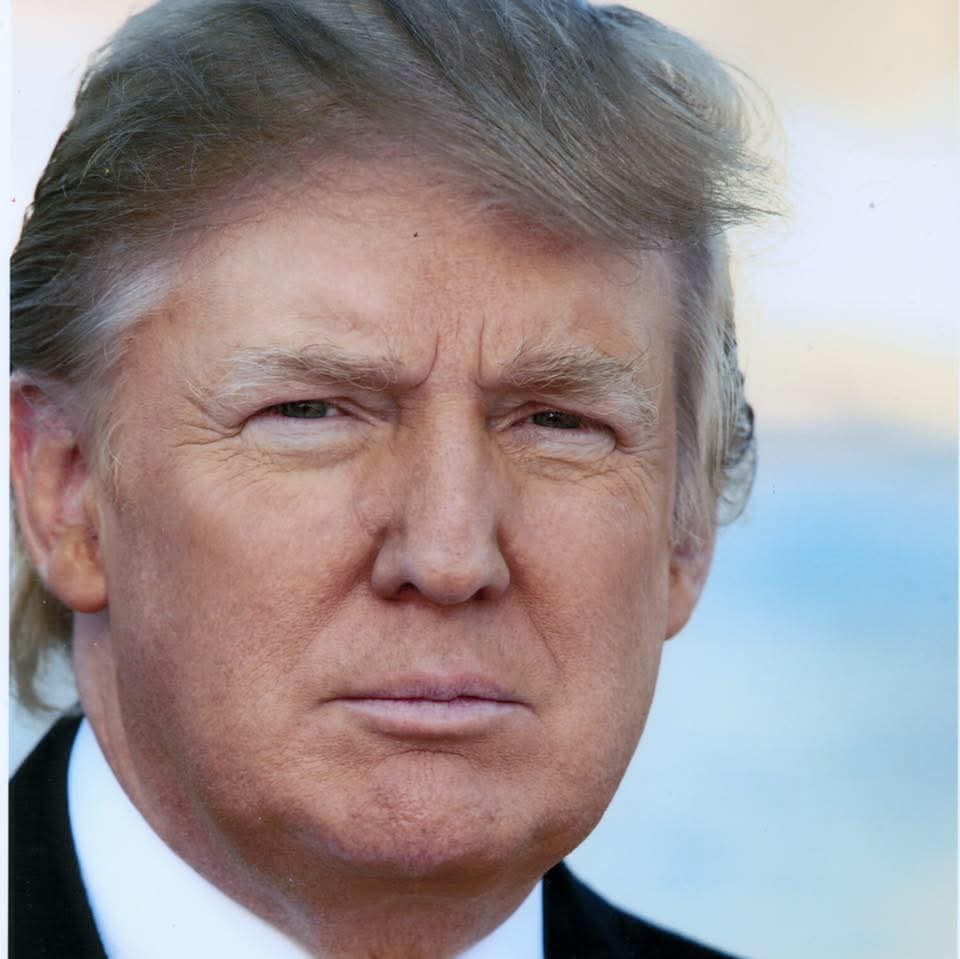
United States President Donald Trump has said he must be personally involved in the selection of Iran’s next leader, dismissing the possibility that Mojtaba Khamenei could succeed his father.
Trump made the remarks in an interview published Thursday, where he said the son of the late Iranian supreme leader, Ali Khamenei, was the most likely successor but would be “unacceptable.”
According to the U.S. president, the process of choosing a new leader in Iran must involve him, adding that he wants someone capable of bringing stability and peace to the country.
“We want someone that will bring harmony and peace to Iran,” Trump said in the interview.
He described Mojtaba Khamenei as a “lightweight,” insisting that he should play a role in the appointment of the next Iranian leader.
Trump also drew a comparison with developments in Venezuela, claiming he had influenced the emergence of Delcy Rodríguez as the country’s leader following the removal of former president Nicolás Maduro.
The U.S. president’s comments come amid uncertainty over Iran’s leadership following recent U.S.–Israeli strikes in the country that reportedly killed Ali Khamenei.
Iran’s political system traditionally entrusts the selection of a new supreme leader to the powerful clerical body known as the Assembly of Experts.
However, it remains unclear who is currently in charge of the country following the latest wave of military strikes.
Reports indicate that days after Khamenei’s death, a building housing members of the Assembly of Experts was bombed while they were reportedly counting votes to determine his successor.
Trump had earlier suggested that Iran’s leadership structure was rapidly weakening, saying several individuals seeking leadership positions had been killed in recent developments.
He also claimed that Iranian missile systems and launchers were being destroyed during the ongoing military operations targeting the country’s strategic infrastructure.
The situation has heightened global concern over the political future of Iran and the possible implications for stability in the Middle East.