 Subscribe: Gist E-Paper
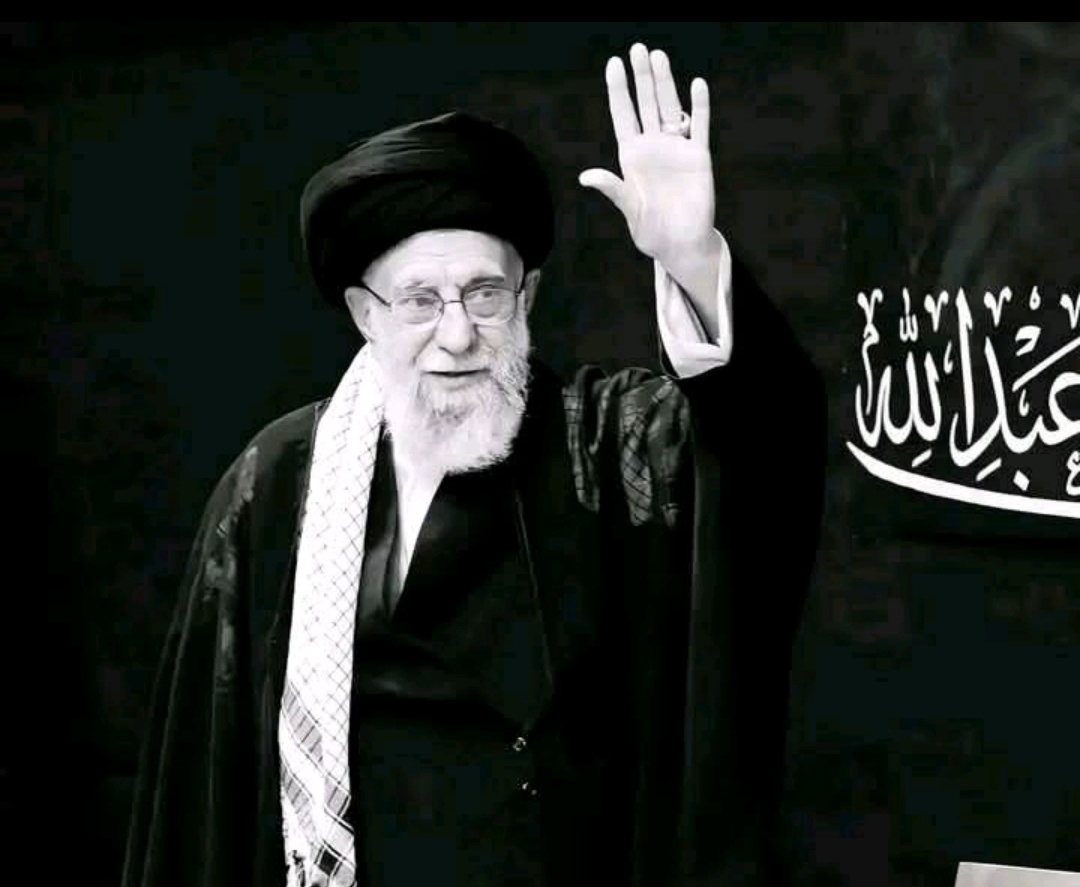
Iranian authorities on Sunday officially confirmed the death of the country’s Supreme Leader, Ali Khamenei, following coordinated military strikes reportedly carried out by the United States and Israel.
State broadcaster Islamic Republic of Iran Broadcasting (IRIB) announced that Khamenei “attained martyrdom” after his offices and residence in Tehran were hit in the early hours of Saturday while he was carrying out official duties. The semi-official Fars News Agency said the attack devastated key sections of the Supreme Leader’s compound.
Iran’s Supreme National Security Council declared 40 days of national mourning and described Khamenei’s death as a turning point that would spark a “great uprising against the tyrants of the world.”
Earlier, Donald Trump had written on his Truth Social platform that Khamenei was dead, characterising him as “one of the most evil people in history.” He later said the US military was conducting a “massive and ongoing operation” aimed at preventing Iran from threatening American national security interests, while urging Iranians to “take over your government.”
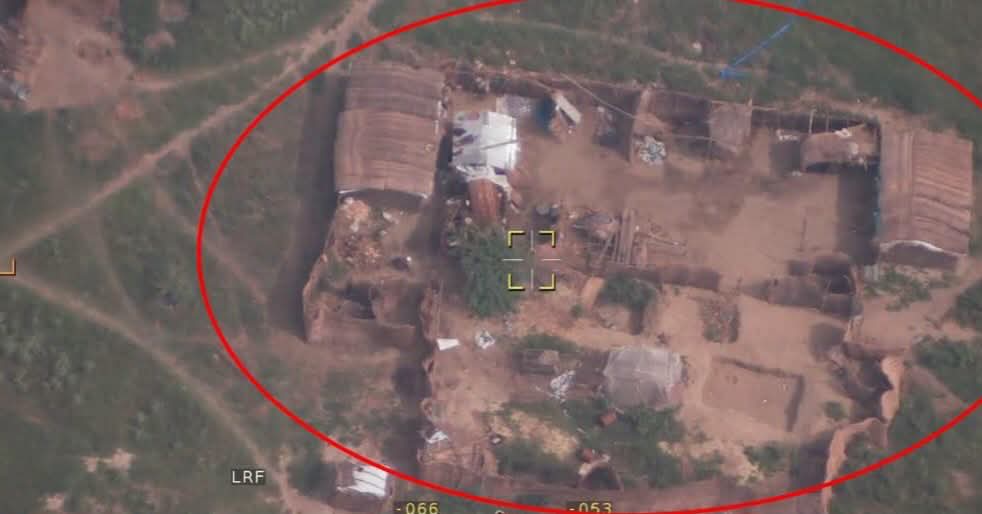
Satellite imagery released by Airbus showed plumes of black smoke rising from the Tehran compound, with several buildings visibly damaged. The strikes followed months of heightened tension, mass protests across Iran over economic hardship, and a brutal crackdown that drew international condemnation.
Khamenei’s death comes at a moment of profound vulnerability for Iran. Decades of Western sanctions had weakened the economy, while US and Israeli attacks in 2025 severely damaged Iran’s nuclear facilities and eroded its regional influence. Once the architect of Iran’s far-reaching “Axis of Resistance,” Khamenei presided over a system that projected power through proxy groups across the Middle East, a strategy that began to unravel after the October 7, 2023, Hamas attacks on Israel and the wars that followed.
Born in 1939 in Mashhad, Khamenei rose from revolutionary activist to Iran’s second and longest-serving Supreme Leader after succeeding Ruhollah Khomeini in 1989. Over more than three decades, he consolidated authority over the military, judiciary, intelligence services and state media, shaping Iran’s domestic politics and foreign policy.
Supporters viewed him as a defiant guardian of Iran’s sovereignty who resisted Western domination, while critics accused him of authoritarianism, economic mismanagement and the violent suppression of dissent. His rule was marked by repeated crackdowns on reform movements, controversial expansion of Iran’s nuclear programme, and deepening isolation from the West.
Analysts say Khamenei’s death is likely to usher in a period of intense uncertainty for Iran, with far-reaching implications for its internal stability, succession politics and the broader Middle East. How the Islamic Republic navigates the aftermath may redefine its future — and the region’s balance of power — for years to come.