 Subscribe: Gist E-Paper
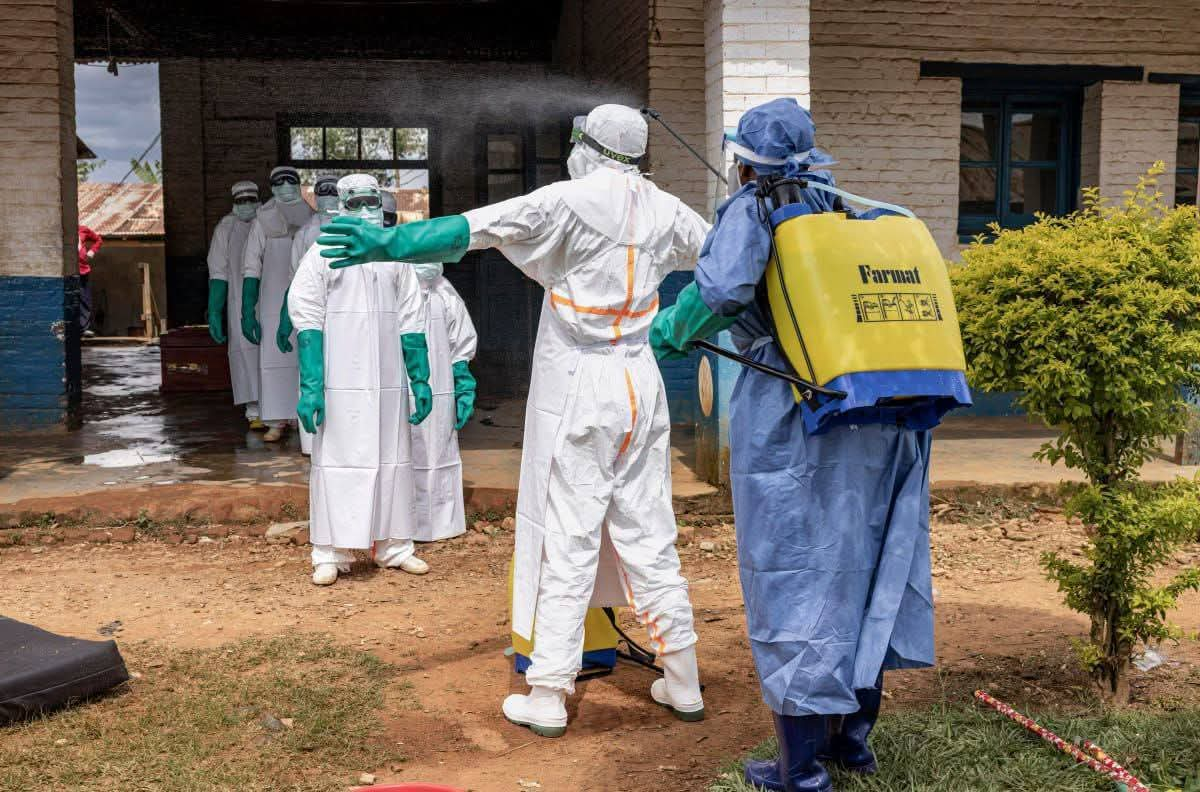
The Federal Government has confirmed a case of Ebola in Abuja, prompting renewed attention to the symptoms of the disease and preventive measures Nigerians should observe.
Guidance published by the Nigeria Centre for Disease Control and Prevention (NCDC) outlines the warning signs, exposure risks and steps people should take to protect themselves and others.
A check of the NCDC website showed that the information is based on the agency’s Case Definitions for Ebola Viral Disease, Version 2, published on May 31, 2026. No newer advisory was available on the website at the time of filing this report.
10 WARNING SIGNS AND SAFETY TIPS**
1. Watch for sudden fever:** A sudden onset of fever is one of the key symptoms used in the NCDC’s case definition for suspected Ebola virus disease.
2. Look out for other symptoms:** These include headache, extreme weakness or lethargy, loss of appetite, muscle or joint pain, stomach pain, difficulty swallowing, vomiting, breathing difficulties, diarrhoea and hiccups. The NCDC’s definition identifies a suspected case as fever accompanied by at least three of these symptoms.
3. Take unexplained bleeding seriously:** Unexplained bleeding is a warning sign, particularly when accompanied by a history of travel to the Democratic Republic of the Congo, Uganda or another country reporting Ebola within the previous 21 days.
4. Disclose travel and contact history: Anyone experiencing symptoms should inform health workers about recent travel to an affected area, contact with a suspected or confirmed Ebola patient, or exposure to sick or dead animals and bushmeat within the previous 21 days.
5. Report unusual illness or sudden death:** Persistent fever that does not respond to treatment for common local illnesses, bleeding, bloody diarrhoea, blood in urine or any sudden, unexplained death should be reported promptly to a surveillance team or the nearest health facility.
6. Practise regular hand hygiene: Wash hands frequently with soap and water or use an alcohol-based hand sanitiser to reduce the risk of infection.
7. Avoid contact with bodily fluids: Do not touch the blood or other bodily fluids of a person suspected of having Ebola. Avoid handling the body of anyone who died from an unexplained illness, as the risk of transmission may be high.
8. Avoid unsafe handling and consumption of bushmeat: Do not handle sick or dead wild animals. Avoid eating raw or inadequately cooked bushmeat, which may expose people to infections carried by animals.
9. Seek medical attention early: Anyone who develops symptoms, especially after travelling to an affected country or coming into contact with a suspected or confirmed case, should seek immediate medical assessment and provide accurate information about possible exposure. Suspected cases can be reported through the NCDC’s toll-free line, 6232, which operates round the clock.
10. Follow verified public health information: Nigerians are advised to remain calm and obtain updates from the NCDC and other recognised public health authorities rather than rely on rumours or unverified social media reports.
Early reporting, prompt medical assessment and strict adherence to public health guidance are essential to identifying suspected cases and limiting the spread of Ebola.