 Subscribe: Gist E-Paper

There is a particular silence that descends on a community after the guns have stopped speaking. It is not peace. It is the silence of fear — the silence of mothers counting their children, of wives waiting for footsteps that may never return, and of neighbours wondering whose name will be whispered next. Rivers State has known too much of that silence. As the 2027 elections approach, the people must insist that politics will no longer be written in blood.
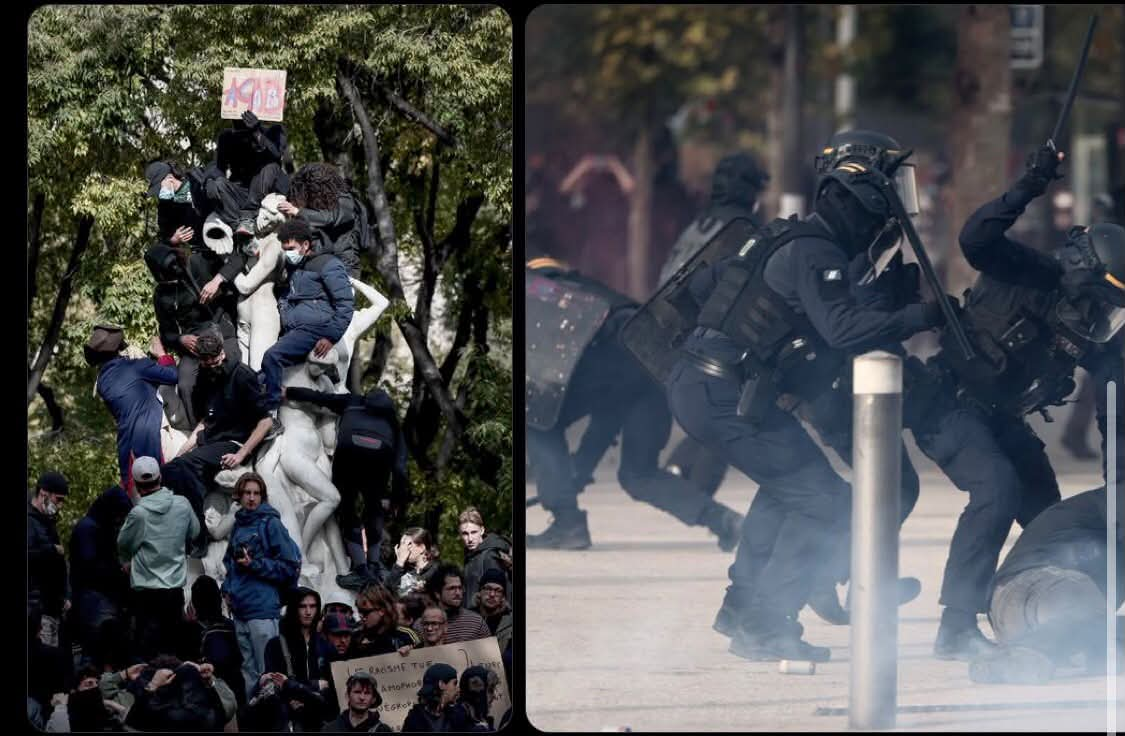
Rivers is not a battlefield. It is a land of rivers, creeks, industries, farms, universities, churches, markets and restless dreams. Yet, too often, political contests have transformed its streets and communities into theatres of confrontation. Elections that ought to be celebrations of democratic choice have, at various times, carried the ominous smell of gunpowder, with political disagreements spilling into violence and leaving ordinary citizens to pay the price.
The history of elections in the state contains painful reminders of how quickly political competition can become dangerous when power is treated as a prize worth any sacrifice. Ballot boxes have sometimes attracted more anxiety than hope; campaign gatherings have been viewed through the eyes of security; and political loyalists have occasionally been drawn into conflicts whose consequences they alone must endure long after the politicians have moved on.
But 2027 must not be another chapter in that old and depressing book. The Rivers electorate deserves an election in which the loudest weapon is persuasion, the fiercest battle is over ideas and the only acceptable ammunition is the ballot. Nobody should have to choose between exercising a constitutional right and returning home alive.
The responsibility begins with the political class. Political leaders cannot preach peace in the morning and inflame supporters by evening. They cannot condemn violence when it is directed against them and celebrate it when it benefits them. The era of double standards must end. Every party, candidate and political organisation must understand that democracy does not mean defeating an opponent at all costs; it means accepting that another citizen has an equal right to seek the people's mandate.
The youths of Rivers must also be protected from becoming expendable instruments in political struggles. Too many young Nigerians have been recruited into the machinery of political confrontation because desperation makes a small payment appear larger than a human life. The young man carrying a political poster today can become a statistic tomorrow. The politician may send condolences, but the grave does not distinguish between party colours.
Security agencies have an equally critical role. The police, military and other authorised security formations must provide protection impartially and professionally before, during and after the elections. Their presence should reassure voters rather than intimidate them. Security must be about protecting the ballot, the voter and the democratic process — not becoming another contestant in the political arena.
Equally important is the conduct of the Independent National Electoral Commission. Where electoral procedures are transparent, where materials arrive on time, where results are properly documented and where complaints have credible channels for resolution, the oxygen that feeds violence is reduced. Every disputed result should find its way to a lawful process, not to the streets. Courts must remain the arena for electoral grievances, while citizens must resist the temptation to become judges, executioners and protesters of convenience.
The political history of Rivers has shown that disputes over power can survive beyond election day. That is why peace cannot begin when voters are already standing in queues. It must begin during party primaries, continue through campaigns and debates, survive election day and remain alive during the period of litigation and transition. Democracy requires patience because legitimacy is more valuable when it is earned without coercion.
Traditional rulers, religious leaders, civil society organisations, professional bodies and community leaders must therefore become guardians of peace. Their voices must be heard before the first campaign convoy arrives and before the first rumour begins to circulate. They must tell their communities plainly that no political office is worth the blood of a Rivers man or woman.
The media, too, carries a heavy responsibility. Words can calm a troubled room, but they can also pour petrol on an already burning political fire. Political journalism must scrutinise candidates without becoming an instrument of partisan warfare. Headlines should inform rather than provoke; allegations should be tested rather than amplified; and unverified claims capable of triggering violence must be handled with the caution they deserve.
Social media presents an even greater challenge. A fabricated video, an old photograph presented as a fresh incident or a deliberately distorted statement can travel across Rivers before the truth has tied its shoes. In 2027, political actors and citizens must learn that sharing is not innocent when what is shared can place another person's life in danger. Digital responsibility must become part of electoral responsibility.
There is also a lesson for the ordinary voter. The politician whose poster hangs on your wall may not know your name. The candidate whose campaign song you sing may never visit the grave if violence takes your life. Your vote belongs to you, and your life belongs to you. No politician should persuade a citizen that killing or being killed for a political cause is an act of loyalty.
Rivers State has enough history to understand the cost of political violence. It has also demonstrated enough resilience to choose another path. The state's enormous economic importance makes peace more than a political slogan. Investors, businesses, workers, students, families and visitors all need an atmosphere where tomorrow is not held hostage by today's political disagreement.
The coming election must therefore become a referendum on political maturity. Candidates should tell Rivers what they will do about security, unemployment, education, healthcare, infrastructure, the environment, the economy and the welfare of communities. Let them argue passionately. Let them challenge one another. Let them expose weaknesses in opposing programmes. But when the microphones are switched off, nobody should be planning where to hide a gun.
Political parties must sign peace agreements and, more importantly, honour them. A peace accord that exists only for the cameras is merely theatre. Leaders must discipline their supporters when they cross the line, reject political thuggery even when it appears advantageous and publicly accept legitimate outcomes. A candidate who loses an election does not lose his citizenship; neither does a winner acquire ownership of the state.
The people of Rivers must also remember that elections come and go, but neighbours remain neighbours. The man supporting another party today may be the person who helps you tomorrow when your house is burning or your child is in trouble. Politics should not destroy the social bonds that make communities possible. After the flags have been folded and the campaign vehicles driven away, the people must still live together.
And to those who may be tempted to bring violence into the 2027 contest, Rivers should send one clear message: not again. Not another mother mourning a son. Not another family waiting beside a hospital bed. Not another community paralysed by fear. Not another election whose history is measured by the number of lives lost rather than the quality of the mandate secured.
The beauty of democracy is that it allows disagreement without demanding destruction. Two citizens can look at the same political landscape and see different futures. They can campaign against each other, vote against each other and even celebrate differently when the results arrive. What they cannot legitimately do is turn disagreement into a licence for murder.
So, as Rivers walks toward 2027, the challenge is larger than who wins and who loses. It is whether the state can finally prove that political power can change hands without lives being lost; that ambition can coexist with restraint; and that the ballot box can become stronger than the bullet. This is the moment for politicians, security agencies, electoral officials, traditional institutions, the media and citizens to draw a red line around violence.
Let 2027 be remembered differently. Let the rivers of Rivers State carry boats, not memories of blood. Let campaign grounds echo with arguments rather than gunshots. Let polling units be places where citizens queue in confidence, not locations where families fear receiving terrible telephone calls. And when the final result is announced, let the loudest sound be the applause of a people who have chosen their leaders — alive, free and unafraid. Rivers deserves an election without bloodshed. Nigeria deserves it. And in 2027, the people must demand nothing less.