 Subscribe: Gist E-Paper
The Federal Government has announced plans to review its foreign scholarship and bilateral education programmes as part of efforts to reduce public spending and strengthen Nigeria's tertiary institutions.
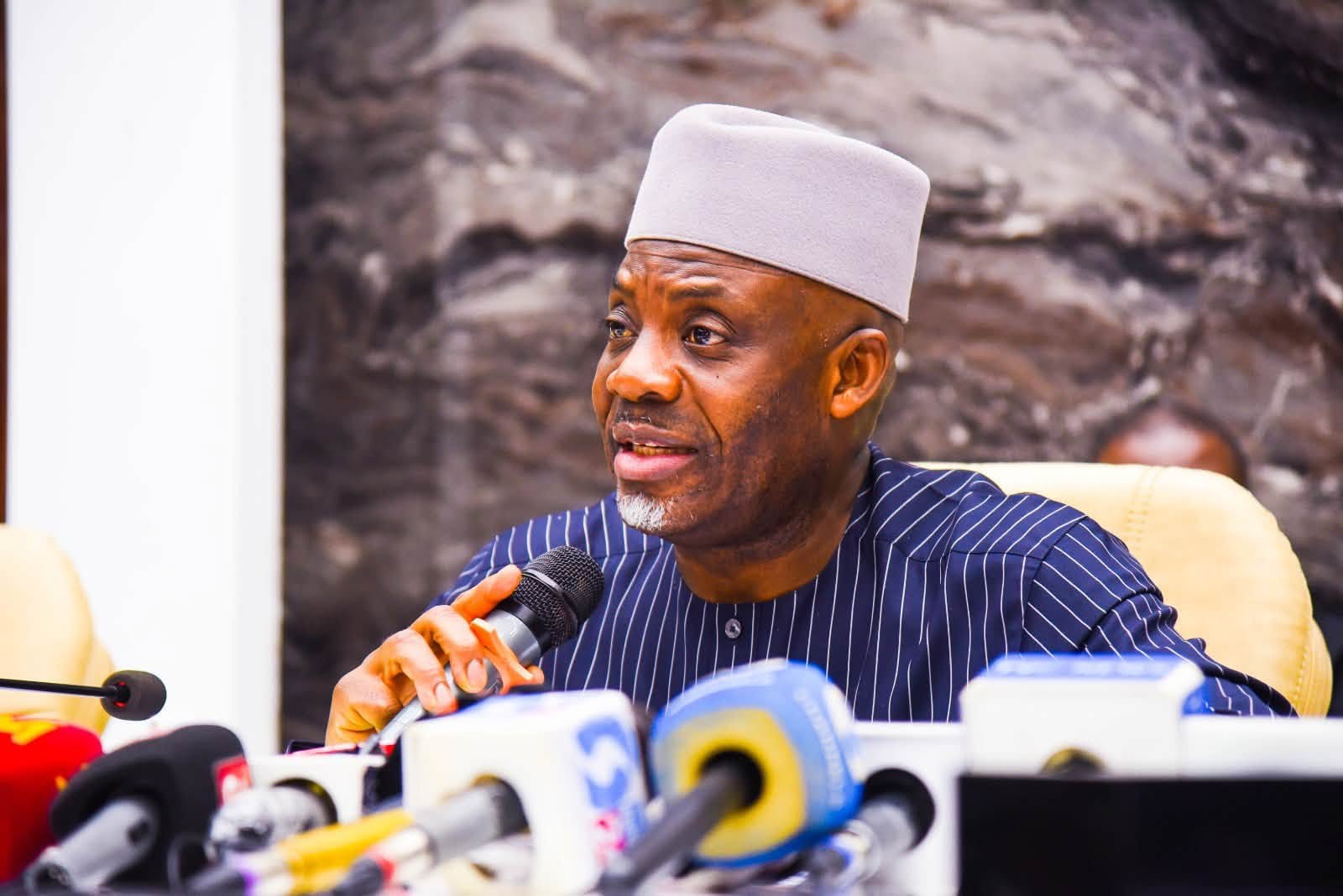
Minister of Education, Dr. Tunji Alausa, said the government can no longer justify using scarce public funds to sponsor students abroad for courses that are already available in Nigerian universities, polytechnics and colleges of education.
Speaking on the policy, Alausa explained that the review is aimed at promoting local capacity while ensuring better value for government expenditure.
He revealed that shortly after assuming office, he was presented with a proposal to sponsor about 100,000 Nigerian students to study in Morocco, including programmes such as mass communication and journalism.
According to the minister, the proposal was rejected because the courses are readily available in Nigeria and the students would have spent their first year learning French before beginning their academic programmes.
Alausa said the cost of funding such overseas education could not be justified when the same resources could support far more students within Nigeria.
He described the previous Bilateral Education Agreement (BEA) arrangement as an inefficient use of public funds, stressing that the Tinubu administration is committed to prudent management of government resources.
The minister, however, clarified that students currently benefiting from government-funded bilateral scholarships will continue to receive support until they complete their studies.
He added that while the Federal Government will no longer fund new scholarships under the scheme, foreign governments remain free to sponsor Nigerian students without financial contributions from Nigeria.
Alausa noted that the scholarship programme was introduced decades ago when Nigeria lacked sufficient tertiary education capacity, but said the country's universities, polytechnics and colleges have since expanded significantly.
He said the review forms part of wider education reforms aimed at strengthening Nigeria's higher education system and encouraging greater investment in local institutions under the Renewed Hope Agenda.